


8 Mobility Exercises Anyone Can Do

8 Mobility Exercises Anyone Can Do

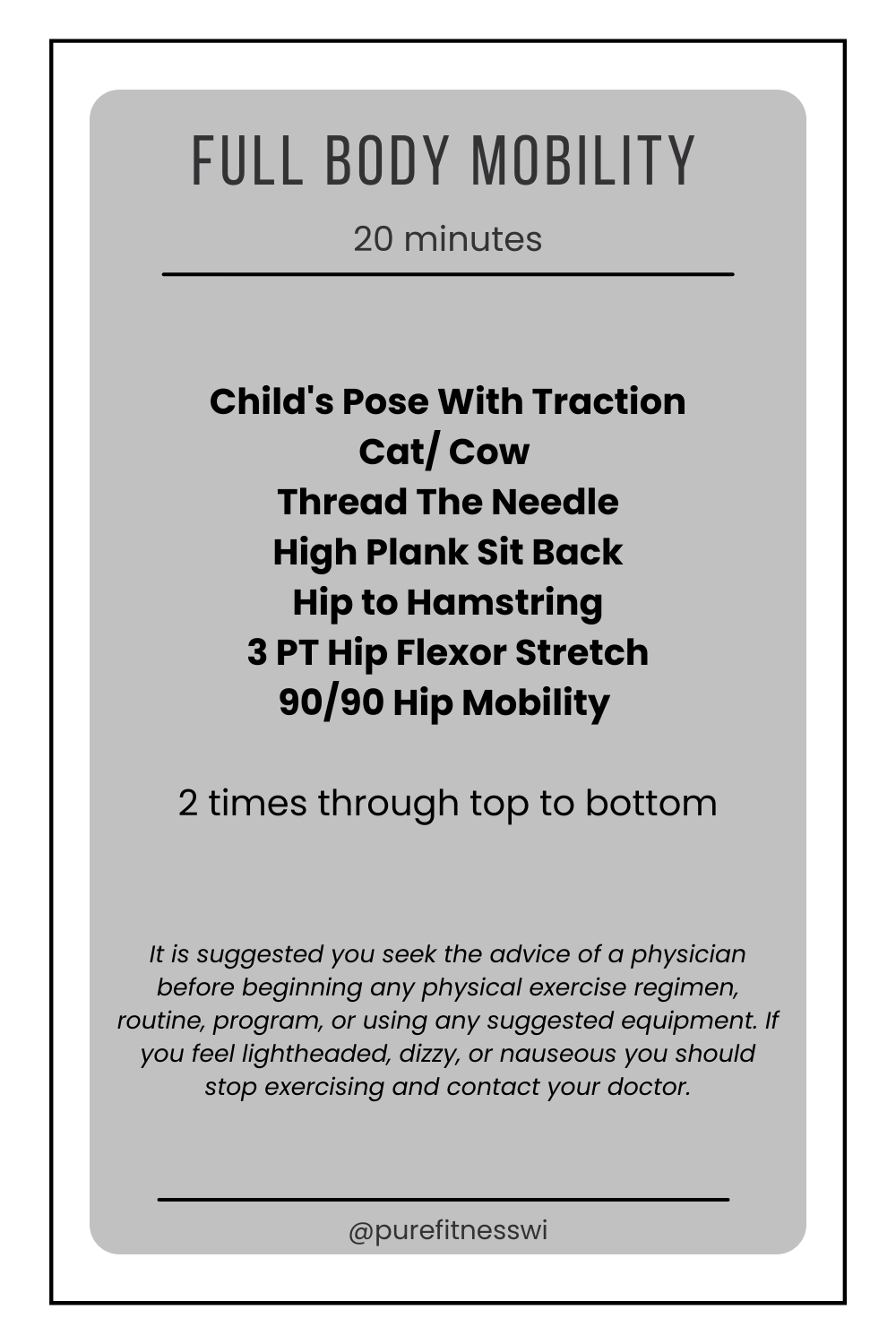
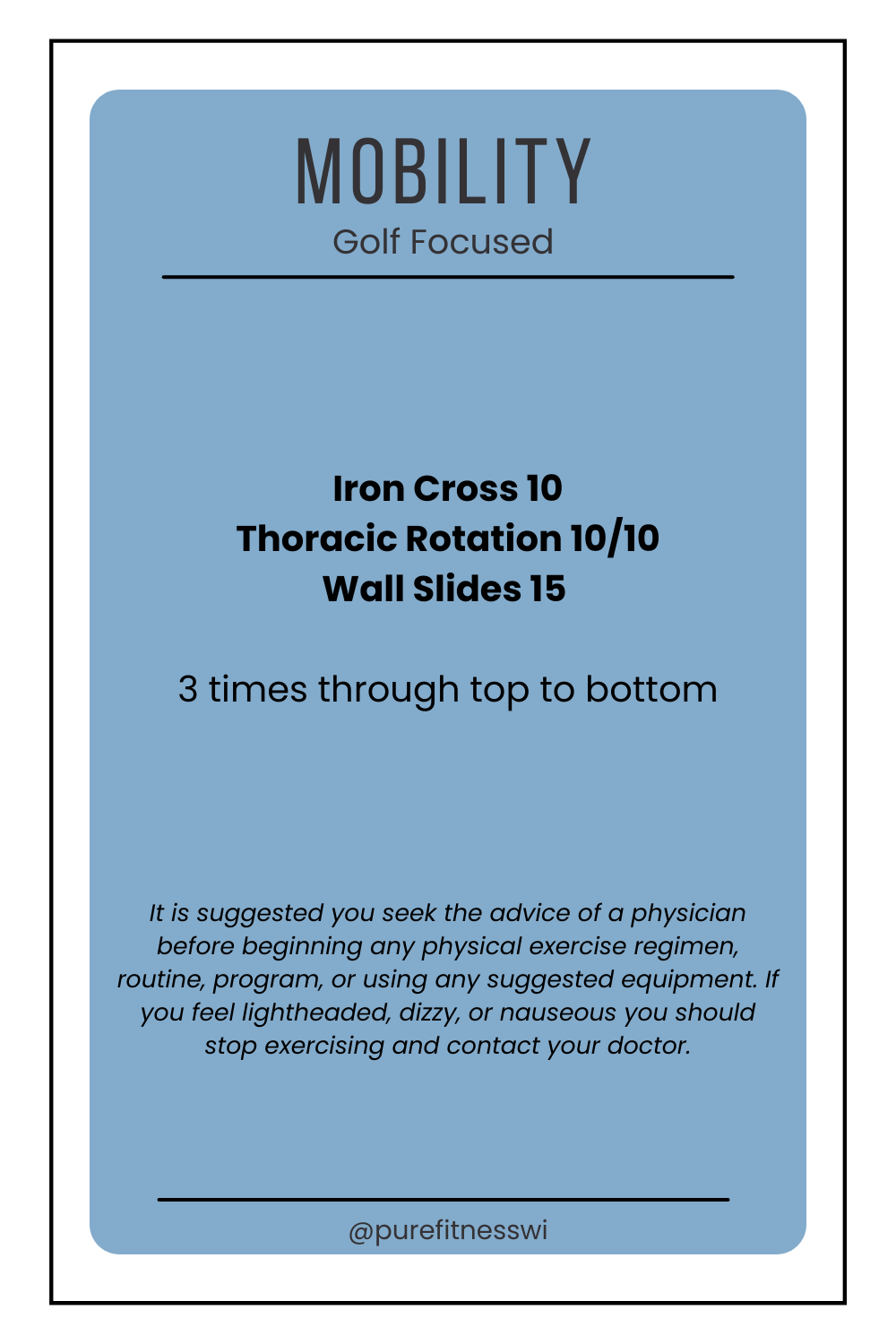
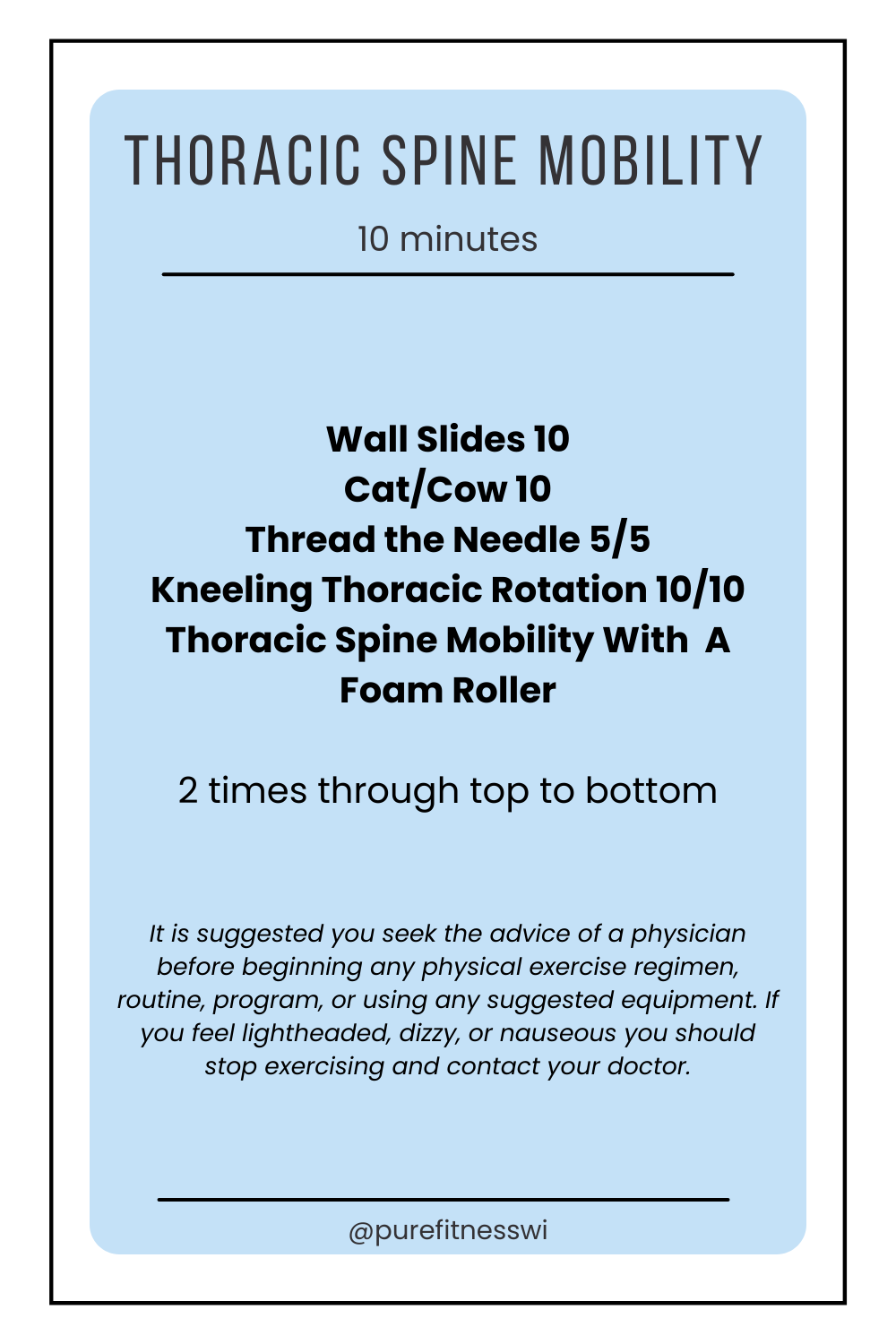
I highly encourage all my clients to incorporate mobility into their week. Generally leaving when and how much up to them, but these are 8 mobility exercises anyone can do. Read for a full explanation on how and why to do them and find downloadable workouts to follow at the end.


TABLE OF CONTENTS

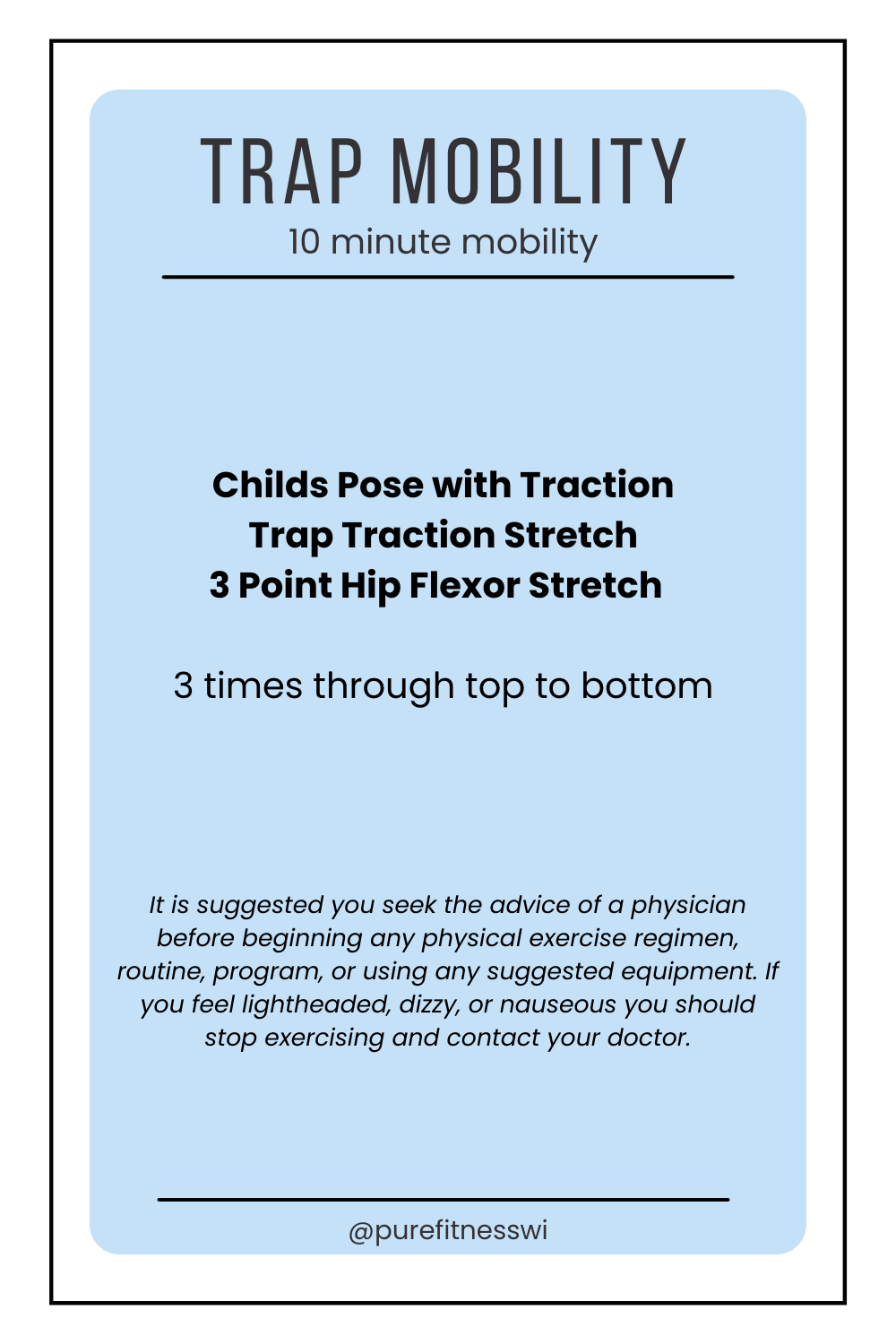
  1. Child’s Pose with Traction
  2. Trap Traction
  3. 3 Point Hip Flexor 
  4. High Plank Sit Back
  5. 90/90 Hip Mobility
  6. Hip Circles
  7. Iron Cross
  8. Thoracic Extension
  9. Downloadable Workouts

HOW TO PERFORM CHILD’S POSE WITH TRACTION

Let me be clear here. Adding traction to child’s pose will shift the traditional focus to stretching your lats. If you can’t even get into child’s pose I would not suggest using this stretch for your lats.

Your lats are the largest back muscle you have. They run the length of your entire back and they are used in so many movements from throwing to pull-ups. Taking care of your lats like you do your glutes and lower body will help your posture and daily comfort.

To really target your lats using a child’s pose with traction you need to make two changes:

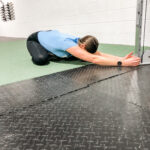
  1. Once in child’s pose bring both your hands across to one side and grab a stable object.
  2. Allow your hips to fall to the side as you bring your hands across.

Making these two changes to a traditional child’s pose will create traction and elongate your lat. Read the full steps below and as always be sure to stay in a pain free range of motion. And since we are doing mobility do not hold the end position for long. Simply work into your end range of motion then back to start and repeat.

STEPS FOR A CHILD’S POSE WITH TRACTION

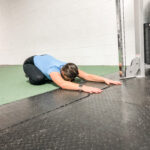
  1. Start in child’s pose, see the first picture below, with an object on your left that you can hold on to create traction.
  2. Walking your hands to the left and grab the object.
  3. Once you have a firm grasp of the object allow your hips to fall to the right increasing the lengthening of the lat muscle.
  4. Hold for a few moments, return to start and repeat.

WHAT TO AVOID

You should never be in pain. Please stop ANY mobility you are doing if pain exists. Our bodies are designed to try and prevent injury. That doesn’t mean that we can never get hurt. Rather that we should listen to our bodies.

Our muscles consist of muscle fibers in which every fiber has a muscle spindle. The muscle spindle’s only job is to detect and regulate the lengthening of muscles. When we are doing mobility, or pushing the range of motion, we are lengthening the muscle. If we push, intentionally or unintentionally, to a point of pain the muscle spindle will be activated to PREVENT the lengthening from occurring. This is the opposite of why we want.

HOW TO PERFORM A TRAP TRACTION

Your traps, or Trapezius muscles, are one of several back muscles.  This muscles is named after it shape, a trapezoid. And it is quite large, running from the base of the head, out to the clavicle and shoulder and down the spine. Our traps help tilt, turn and stabilize at the head. They also are involved in shrugging your shoulders, stabilizing the shoulders and twisting the arms.

Basically you are using your traps all day. And there are other factors that impact your traps. Like sleep. If you are like me you like to sleep on their side, giving themselves a hug and pulling their shoulders (shrugging) up to the ears. Basically increasing the tension in my traps while I sleep, go me! I go to sleep to recover, not make things worse.

And then there is stress. If you haven’t heard, your shoulders are a very common place to “carry stress”. Simple put that means, when you are stressed you tend to shrug your shoulders. Putting more tension into those already active traps.

STEPS FOR A TRAP TRACTION

We are using a weight to produce the traction portion of this exercise, but you can just as easily use a counter or desk by grabbing underneath.

  1. Stand comfortable on two feet with a shoulder width stance with a weight in your left hand.
  2. Keeping your posture tall, but your shoulder relaxed, slowly turn your head to the right and tuck your chin towards your armpit.
  3. Find your end range of motion, hold for a few moments and return to start. Repeat this movement varying your chin location.

WHAT TO AVOID

  • Pain. As always, mobility should be pain free. Control the stretch by bringing your head into a more upright position.
  • Shrugging Shoulders. This is the opposite of what you want here. So try to relax those shoulders to get the most out of this stretch.

TIPS FOR A TRAP TRACTION

  • You don’t need a ton of weight, but if all you have at your disposal is a 5 pound weight you are better off using a table/counter/railing. Anything that you can get your hand under to provide a base for the pulling force.
  • Try working your chin from your midline out towards your armpit. There might be more than one spot that needs stretching.

HOW TO PERFORM A 3 POINT HIP FLEXOR EXERCISE

This is a variation you can take on a traditional hip flexor mobility exercise. It is by no means the only variation you can take, but you bet your bottom dollar it feels fantastic early in the morning or at the end of the day.

We commonly say “my hip flexor” is tight or “you have tight hips”, but this can be misleading. When we talk about hip flexion it is the act of bending at your hip to bring your knee towards your chest or lower your chest towards your legs. But the hip is a very dynamic joint, allowing for a very large range of motion. For example abduction at the hip with flexion will put your knee out to the side and up toward your chest.

All of this is to say that hip flexion can occur in various movement patterns, which means various hip muscles will be active. And those muscles attach at various points on your pelvis, spine and femur. So when we work to relieve “tight hips” or “a tight hip flexor” moving in various ranges of motion can be helpful. 

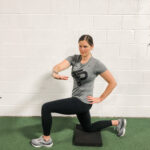
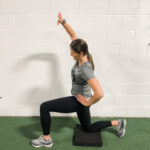
STEPS FOR A 3 POINT HIP FLEXOR EXERCISE

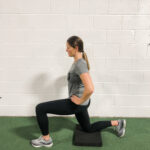
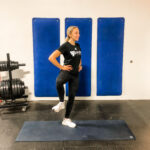
  1. Start in a split kneeling position. I suggest having something soft, like a stability pad, to kneel on.
  2. Tilt your pelvis under and squeeze your glutes.
  3. Keeping your glutes tight you lean forward then return to starting position. Point 1
  4. Reach overhead sideways towards the forward knee then return to starting position. Point 2
  5. Rotate towards the front knee. Point 3. (See pictures below.)
  6. All 3 movements combine to make the 3 point hip flexor exercise. Perform 5 reps on each side.

WHAT TO AVOID

  • Arching or extension in your low or mid back. Allowing yourself to arch or extend will produce a range of motion we are not looking for. We want the movement (of the range of motion) to be from the hip. I remind my clients to keep their core braced to serve as a reminder for a neutral posture.

TIPS FOR A 3 POINT HIP FLEXOR EXERCISE

  • Focus on tilting your pelvis and engaging your glutes. This will help increase the stretch at your hip flexor by pushing your hip into extension. You must maintain this posture with movement.
  • It is likely one movement is tighter than the other(s). Consider adding in a few extra reps in that pattern regularly.

HOW TO PERFORM A HIGH PLANK SIT BACK

With so many mobility exercises “on the market” it is hard to know why you should or shouldn’t do one. Unfortunately, without knowing your health history it is hard to know what is right or wrong for you. However, I can tell you some great reasons for doing the high plank to sit back. And if any of those reasons hits home with you, then give it ago by following the steps below. Just make sure to read the section on what to avoid.

Hip & shoulder mobility together – a nice benefit to save time and work functionally. However, this may be a drawback for you if you experience shoulder pain or limited range of motion.

Warm-up & core activation – we know that a plank requires us to use our core, so a high PLANK to sit back will be no different. Doing these will help wake up your core and warm your body to be ready for more challenging movements.

Decrease low back pain – hip mobility is linked to decrease low back pain, but so is core strengthening. Two birds, one stone. You can’t really go wrong there.

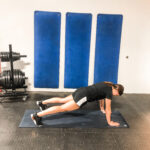
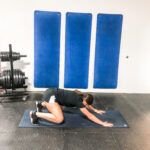
STEPS FOR A HIGH PLANK SIT BACK

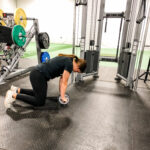
  1. Start in a high plank with your feet shoulder width apart.
  2. Push through your hands, bend your knees and sink into yours hips as you “sit back”. This should mirror child’s pose in yoga, except elevated off the ground.
  3. Once you have reached your maximal “sit back” push through your toes, straighten your legs and move back to a high plank position.
  4. Repeat for desired reps. I recommend sets of 10 for a warm-up, sets of 5 for active recovery

WHAT TO AVOID

  • Be sure not to let your low back arch or your hips sag as you bring your body back into a high plank position. Keeping your core engaged the entire time will help prevent any low back arch.
  • Pain. We are always avoiding any pain or high level discomfort. Remember that there are a large variety of hip mobility exercises out there. You can certainly find another.

TIPS FOR A HIGH PLANK SIT BACK

  • This is a great warm-up exercise, but it can also be incorporated into a workout by adding a movement between reps. For example, a push-up between sit backs or step your feet in and stand-up between each rep.
  • If you have wrist discomfort when in a high plank consider using dumbbells (hex style are easiest) as the base for your hands. This will allow your wrists to stay straight, versus the flexed position they typically in during a high plank.

HOW TO PERFORM A 90/90 EXERCISE

90/90s should be included in your mobility program because they target the hip from multiple angles. Depending on what leg is in front, or your chest is facing, the joint positioning is different. Add in the process of switching from side to side and you are accessing a large range of motion, or trying to at least. 

Another unique factor is how you are using your body weight in this mobility exercise. 90/90s use your body weight, and the ground, to help increase the the end range of motion achieved on both sides. This will help to produce quick results in improve mobility.

The key is in the set-up. Starting position should be 90 degrees at knee and hip of your front and back leg. This will be awkward and unusual the first time. If you can’t get into this position try other hip mobility drills consistently and come back to this one.

Mobility is always about quality over quantity. Be calculated in your movements and listen to your body.

STEPS FOR A 90/90

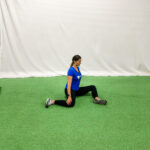
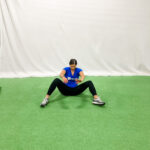
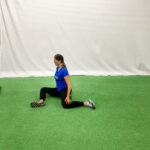
  1. Start seated on the floor with your knees bent and let both of your legs fall to the same side. This will put the outside of one leg and the inside of the other leg on the floor.
  2. Adjust your upper legs so the angle between your thigh and your hip is at 90 degrees on the front and the back leg.
  3. Adjust your lower legs so the angle at your knee is at 90 degrees.
  4. Once in this position you want to apply force down into the ground from your front and back leg, working towards contact with the ground.
  5. Lean your chest forward towards the front leg, keeping your back flat.
  6. Return to to starting position and switch your legs and face the other direction and repeat.

WHAT TO AVOID

  • Anything other than 90 degrees at your hip and knee. After all, that is the whole point of the exercise.
  • Pain. Mobility or flexibility training should not be painful. Pain is an indicator that you are doing something wrong. Listen to your body.

TIPS FOR A 90/90

  • Your mobility will be challenge on each side and in transition. There is a reasonable amount of core work going on here to be able to change your leg position. Keep your upper body quiet and core braced as you go to switch sides.
  • On each side try to achieve floor contact from both your front and back leg while you slightly lean forward by hinging at your hips. That means your back stays straight!
  • There are a lot of variations of this exercise, but we consider this to be a good starting point. If switching your knees side to side isn’t your jam you can always work the forward lean on each side for a few reps before switching positions.

HOW TO PERFORM A HIP CIRCLE

Hip mobility has a large impact on low back pain. For example, tight hips can cause your posture to change and your low back to hurt. Tight hips can also cause an individual to use poor technique while lifting increasing the odds of a low back injury. Working hip mobility to restore range of motion can minimize low back pain and injury.

Increasing range of motion at the hips is also connected to improved athletic performance. Limited range of motion means your mechanics, loading pattern and ability to work efficiently will be limited as well. Opening up range of motion opens up the opportunity to access more power and translate that power to performance.

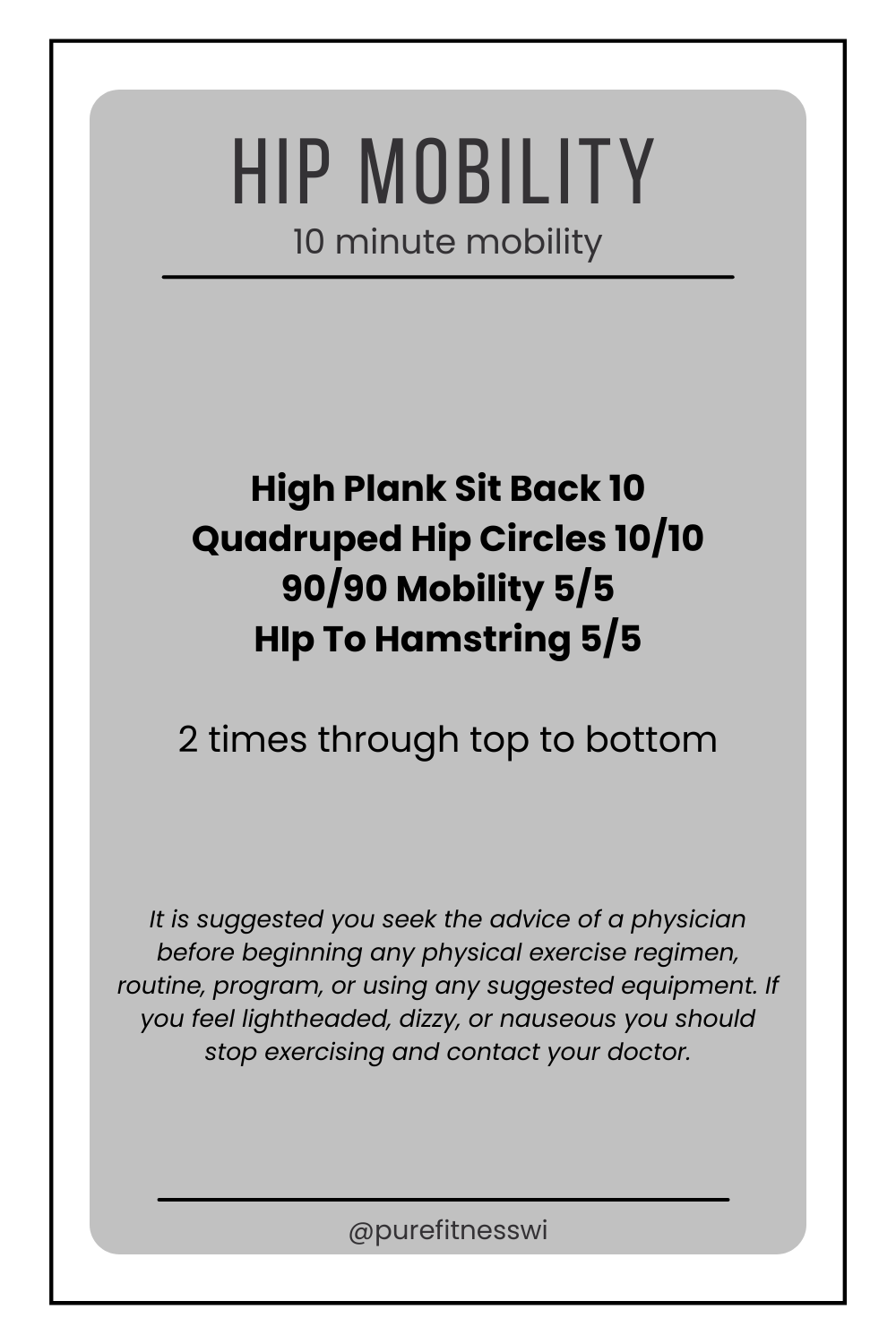
Before we jump into the steps decide whether you want to do standing or quadruped hip circles. Does it matter? An argument can be made in both directions, but for this purpose you decide. I favor the quadruped when I am indoors and or doing mobility. I use standing when I am outdoor or getting warmed-up, especially for running.

STEPS FOR A STANDING HIP CIRCLE

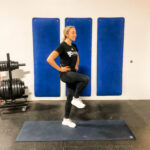
  1. Find your balance on one leg  by engaging your core and keeping a soft bend in the knee of the weighted leg.
  2. Once balanced raise the non-weight knee to 90 degrees.
  3. Then keeping your foot pointed at the ground rotate your hip open so your knee points to the side.
  4. Finally rotate your hip so your knee points down to the ground and your foot to the back.
  5. Bring your knee back up to 90 and follow the same steps.
  6. Repeat 5 times then reverse the steps, working hip rotation in the opposite direction.

STEPS FOR A QUADRUPED HIP CIRCLE

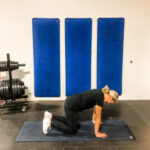
  1. Start on all fours, hands and knees, and brace into the ground by driving force through your limbs and engaging your core.
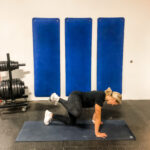
  2. Lift one knee off the ground and rotate at your hip raising your knee away from your body.
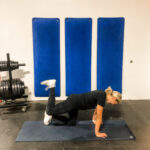
  3. Rotate your hip again so that your quad is parallel with the ground and your foot is pointing to the sky.
  4. Bring your knee back down to the ground and follow the same steps.
  5. Repeat 5 times then reverse the steps, working hip rotation in the opposite direction.

WHAT TO AVOID

We have said it before, but we will say it again … we are focusing on a specific range of motion. The size of the movements does not matter. We do NOT want excessive motion or a flailing body. Isolate the movement at your hip by controlling your torso and upper body.

Your hip joint is a ball and socket, which allows the joint a large range of motion. That range of motion can become limited over time. Enter mobility and flexibility training. While you are doing the exercise think about that ball and socket joint. Envision your leg moving around your hip. The rest of your body should be still or quiet.

TIPS FOR A HIP CIRCLE

  1. You can use a wall as proprioception to control the rest of your body from moving. Just line up sideways with one shoulder against the wall and maintain contact as you move through the range of motion.
    • When you are in the quadruped position it will prevent too much rocking side to side which will help control your range of motion.
    • Standing it will prevent the side bend from occurring in order to move your leg.
  2. Keep your core braced so that you do not wobble side to side and hyper focus your attention on your hip.
    • In the quadruped position you should drive your limbs into the ground & squeeze your abdominals before lifting the knee off the ground.
    • Standing you should put a slight bend in the weighted leg and engage your abdominals to help with balance and posture.

HOW TO PERFORM AN IRON CROSS FOR DISASSOCIATION

The iron cross can be helpful to establish rotational range of motion at their hips separate of the upper body. Also known as disassociation. There are a significant number of exercises that focus on disassociation of the hips and shoulders where the hips stay still and the shoulders move. Think of a split squat with arms straight forward and rotating your shoulders side to side.  There are far less that work the opposite.

The simple reason is that it is hard. To rotationally move the lower body without the upper body requires you first to be in an open chain movement pattern. Second the joint(s) that actually produce enough rotational movement are found in your thoracic spine, not your lumbar spine. And your lumbar spine is closest to the hips.

STEPS FOR AN IRON CROSS

  1. Starting laying flat on your back with your legs straight and your arms out to the side at shoulder height, palms down. Making a T with your body.
  2. Brace your core and lift one leg straight up into the air. Maintaining core tension and contact with the ground at your hands and shoulders try to cross the upright leg over toward the ground.
  3. Once you have found your greatest range of motion, keeping your shoulders down, return the leg to upright and lower to the ground.
  4. Alternate legs focusing on the same key points side to side.

IMPORTANT!

Your range of motion is limited by movement at your shoulders. Remember we are trying to create movement at the hips without movement at the shoulders. This means you may need to place a box, chair, foam roller or something elevated off the ground to work towards instead of the ground. The height of this object will depend on your range of motion.

The rotation should be felt through your thoracic spine, not your low back. If for any reason this causes discomfort in your low back stop immediately. This exercises is not for you. Seek professional help if you are looking to work on your ability to disassociate your hips and shoulders.

The range of motion from your hips can be limited by the flexibility of your hamstrings and IT band. If you experience that you should consider specific stretches, for example a standing hamstring stretch. We do not agree with using this exercise to increase flexibility of your legs.

If you experience too much of a pull or any discomfort in your legs doing this exercise you should consider bending your knee to decrease the the flexibility demand. Bending the knee will also decrease the load by shortening your force arm.

WHAT TO AVOID

This is not an entry level mobility exercise. It looks simple, but demands a person be relatively mobile and highly stable to begin with. And at very least requires you to check your ego at the door and appropriately limit your range of motion.  If you are new to mobility or stiff/tight start with a thoracic rotation exercise like side lying chest openers. These will still work on disassociation between the upper and lower body and help to contribute to improved thoracic rotation.

TIPS FOR IRON CROSS

  • Focus on the rotation occurring through your thoracic spine. I like to envision a twist through my belly button.
  • Remember upper body should stay still.
  • Bending your knee will decrease the flexibility demand on your legs and decrease the force load of the exercise.
  • More is not better. Work for controlled, quality movements and couple with rotational strength for the best results.
  • If you have any discomfort in your low back, stop immediately.

HOW TO PERFORM THORACIC SPINE MOBILITY MINI CRUNCHES

The objective of these mini crunches is to work your thoracic spine into extension. Since we spend a typical day in flexion – sitting and rounding of the shoulders. It is important to focus your attention and movement to the thoracic spine. Movement elsewhere will give you a false range of motion and could contribute to more discomfort.

For simplicity, you can think of your thoracic spine as the section where your ribs are located. It is designed to support and protect the heart and lungs via the ribcage. The range of motion is small, but the thoracic spine can move in flexion (bending forward), extension (arching backward) and rotation. Range of motion most commonly decreases in extension and rotation due to repetitive motions. Like I said above – sitting at a desk, driving, etc.

Of course age and injury can and will have an impact on range of motion. But for the average person it is your daily life style that is causing your range of motion to change, decreasing mobility and contributing to daily discomfort.

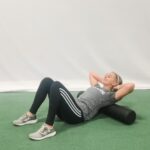
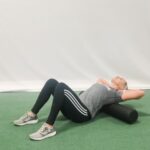
STEPS FOR MINI CRUNCHES

  1. Start with your foam roller perpendicular to your spine at the bottom of your shoulder blades.
  2. Cross your arms over your chest and plant your feet firmly on the ground.
  3. Engage your abdominals and squeeze your glutes to brace your lower body.
  4. Allow your back to extend, or round, around the foam roller as you lean back.
  5. Extend back, as far as you can go, keeping your core engaged.
  6. Return to the starting position.
  7. Perform 5 reps in one location then move the foam roller slight up your back and repeat.

WHAT TO AVOID

Our main focus here is on the mid back, or the thoracic spine. Your focus should be on creating movement in that region of the body. Avoiding movement in others.

When working on spinal mobility you have to acknowledge that your spine works synergistically, but it should also work independently. Isolating our thoracic spine is essential to creating mobility. We need to avoid movement in our lumbar spine during extension on this exercise.

TIPS FOR MINI CRUNCHES

  • You should feel no pain, movement or work in your lower back. If you do work to better engage your core.
  • Move the foam roller up only an inch or two at a time to help target individual vertebra.
  • If you are able to keep your core engaged you can extend your arms overhead to increase the the force pulling you into extension. A weight can also be held in your hands.
  • I’ll say it again … be conscious of your core, specifically keeping it braced. Doing so will help control any movement in your lumbar spine and isolate the movement in your thoracic.

WORKOUTS

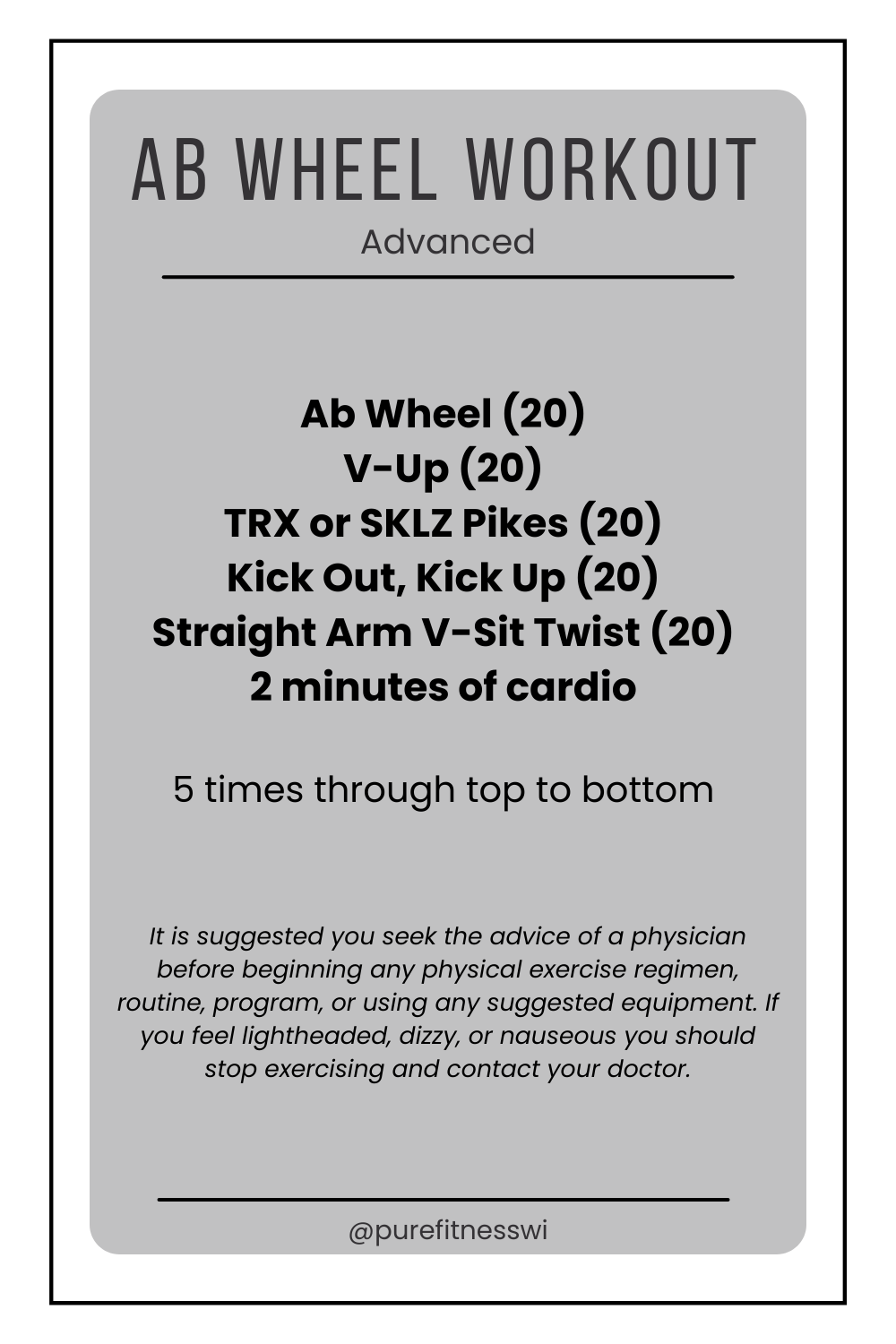
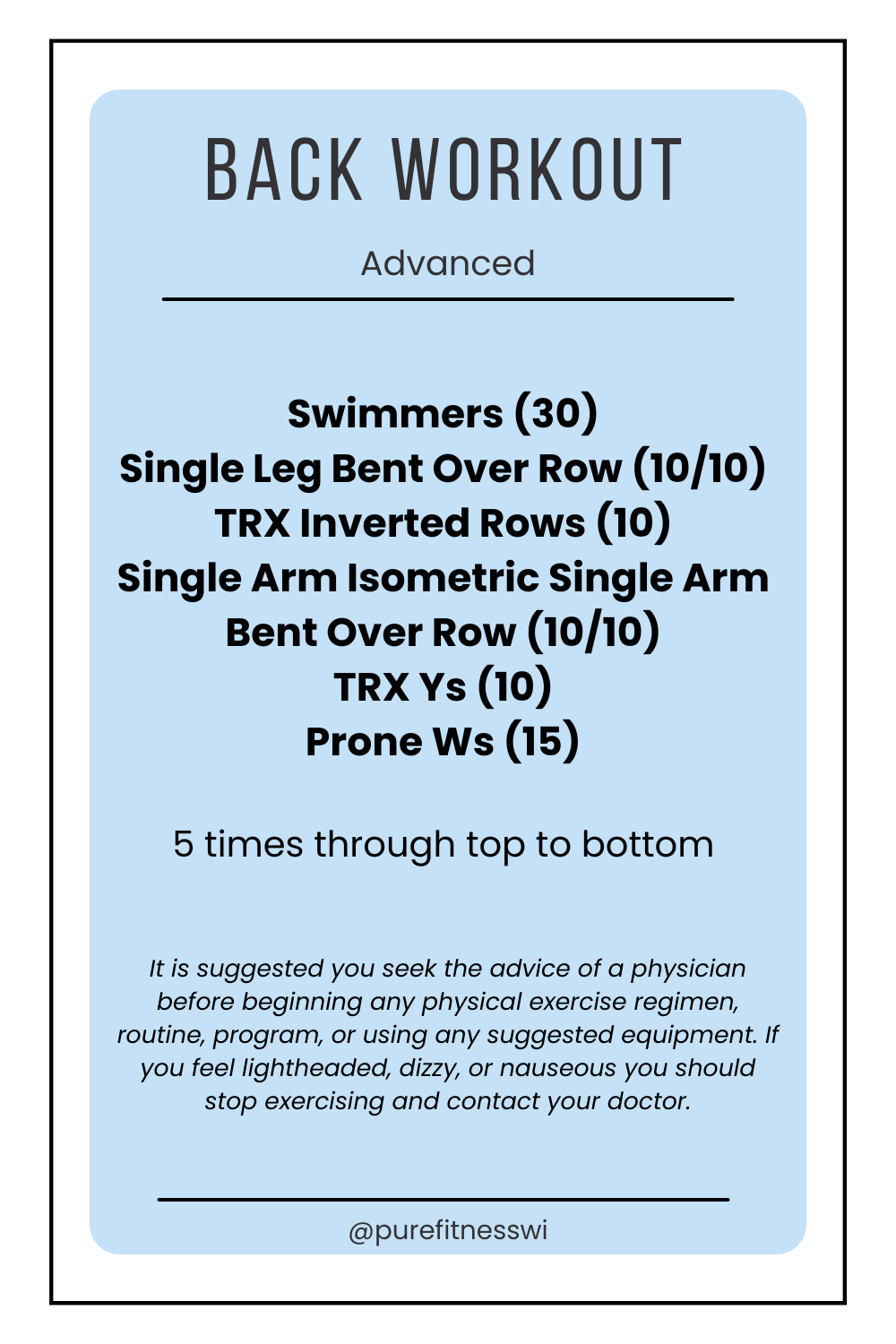
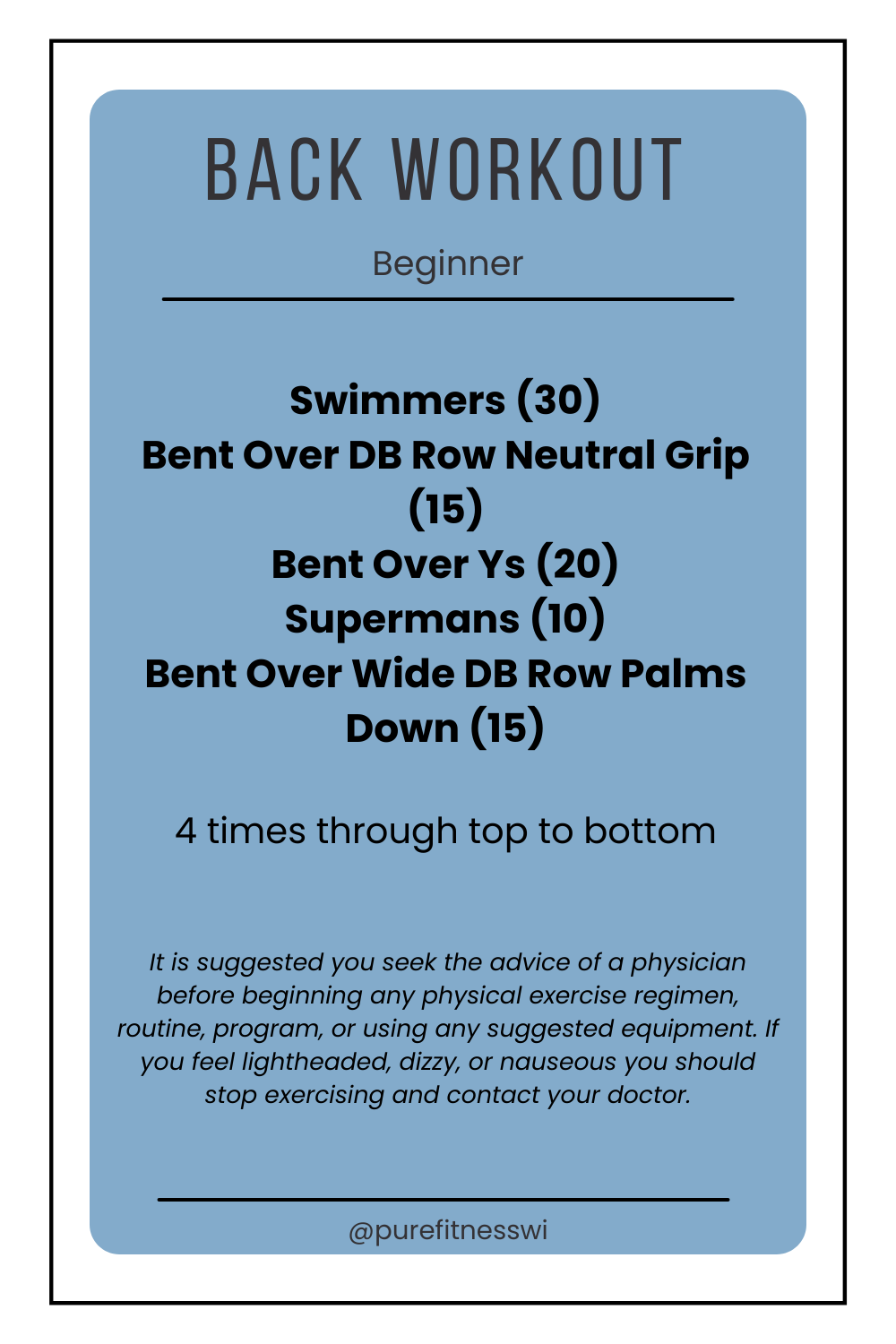
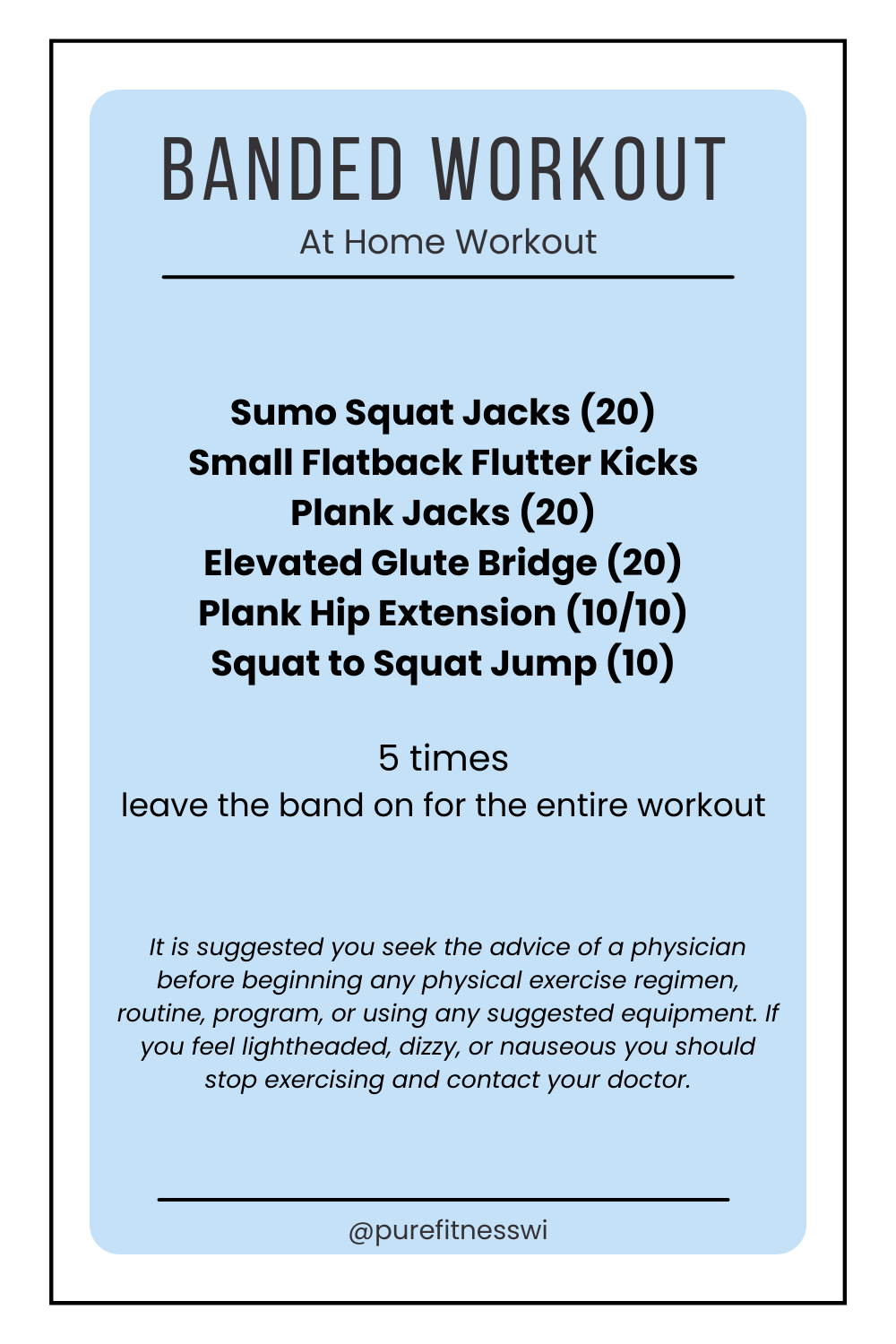
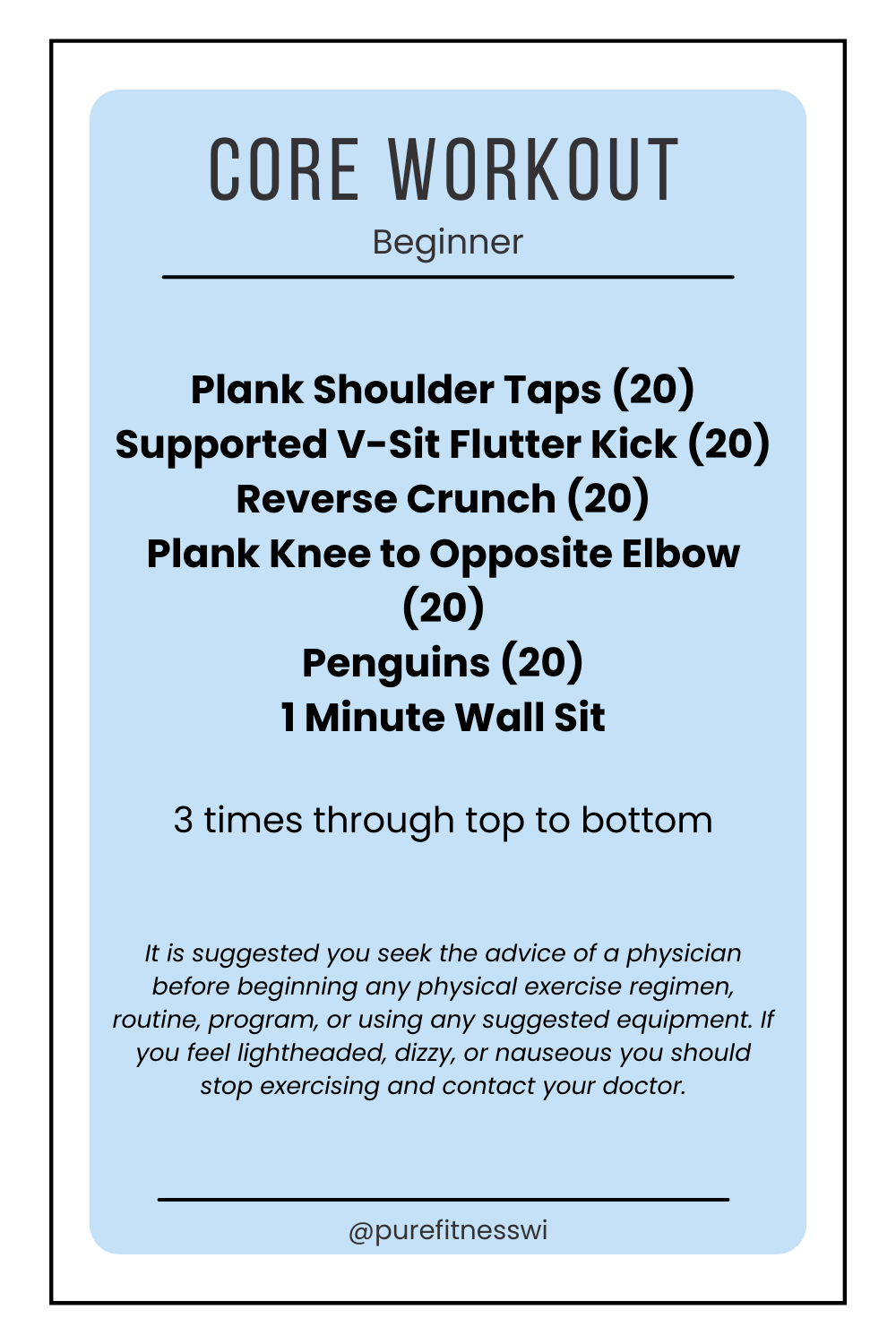
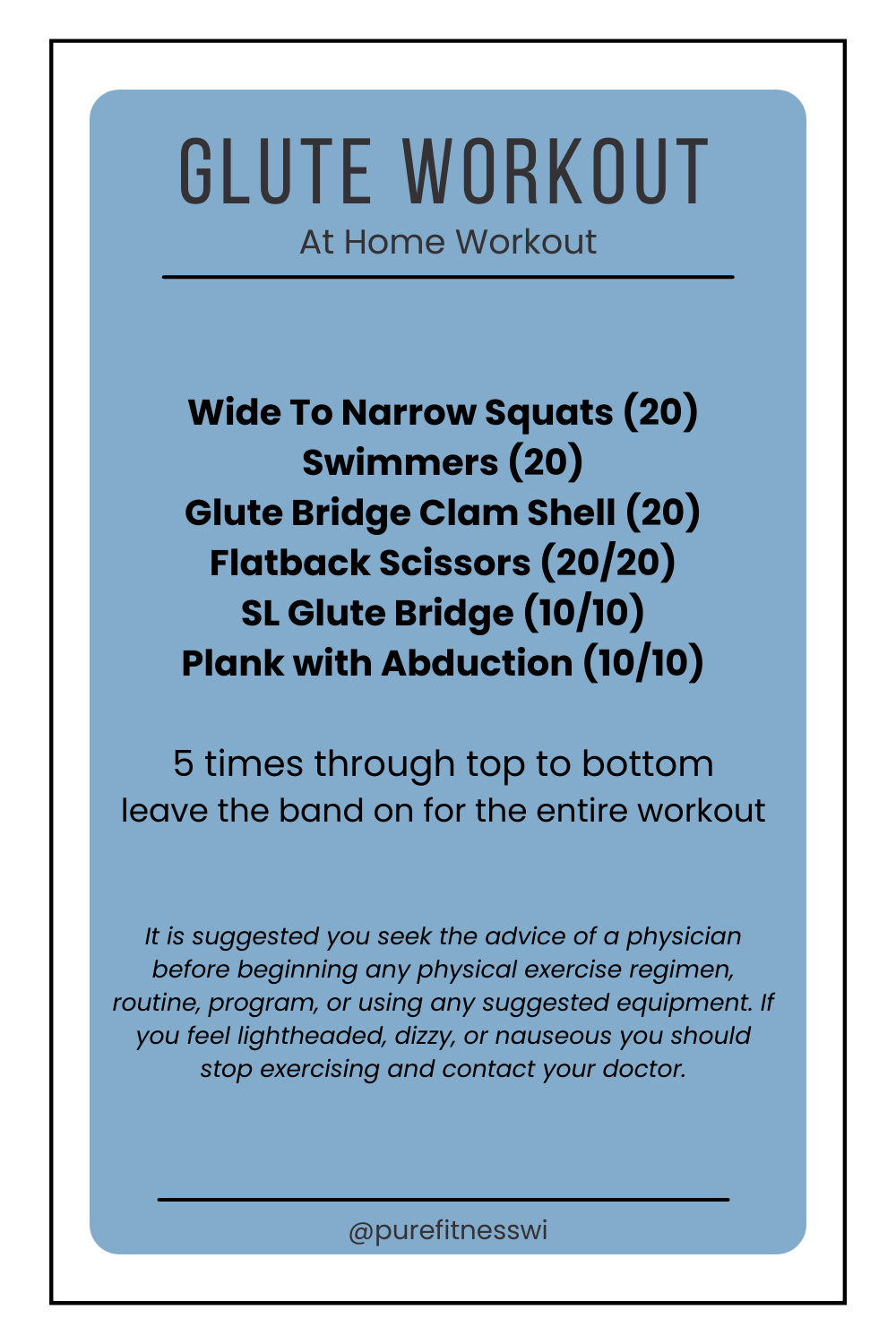
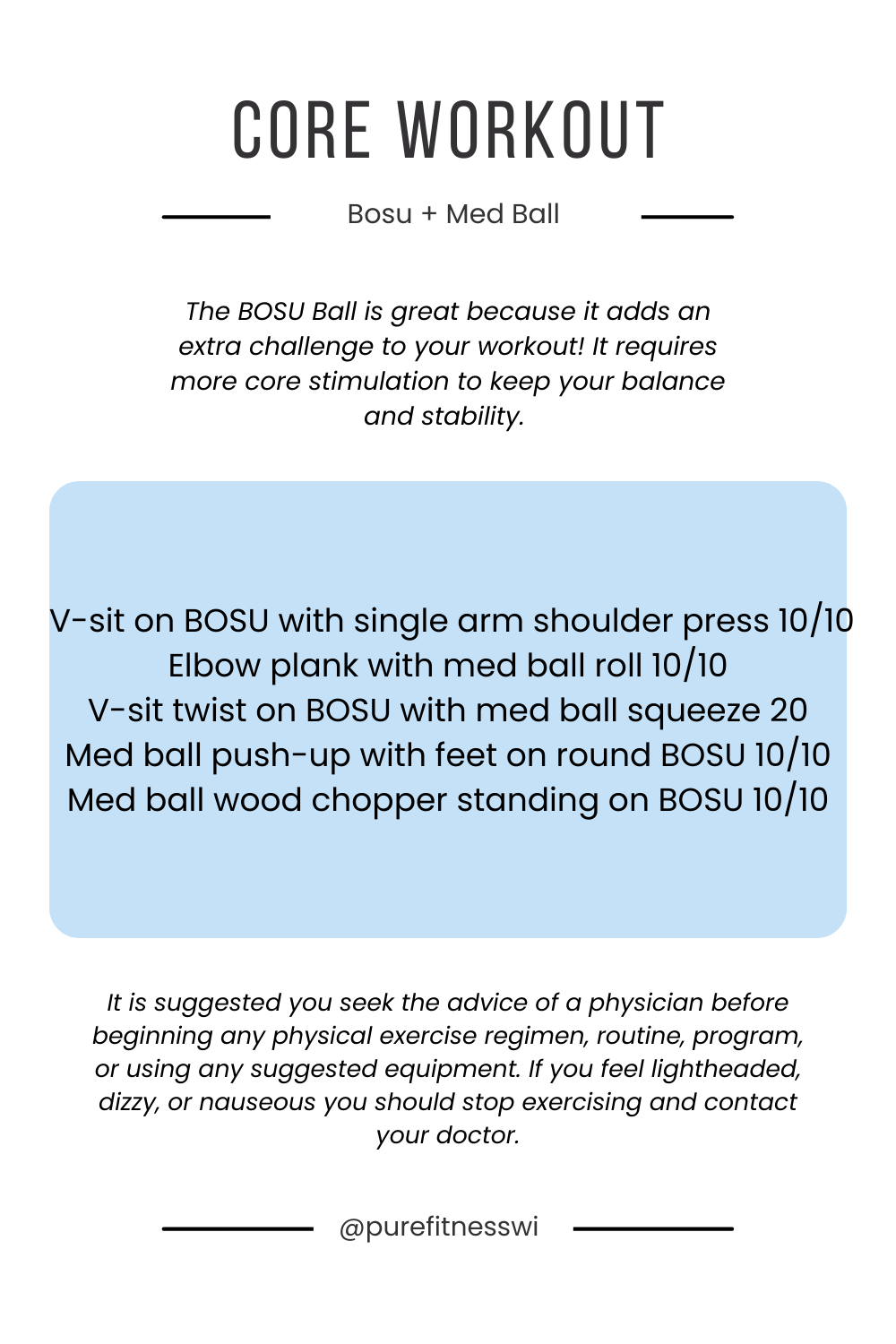
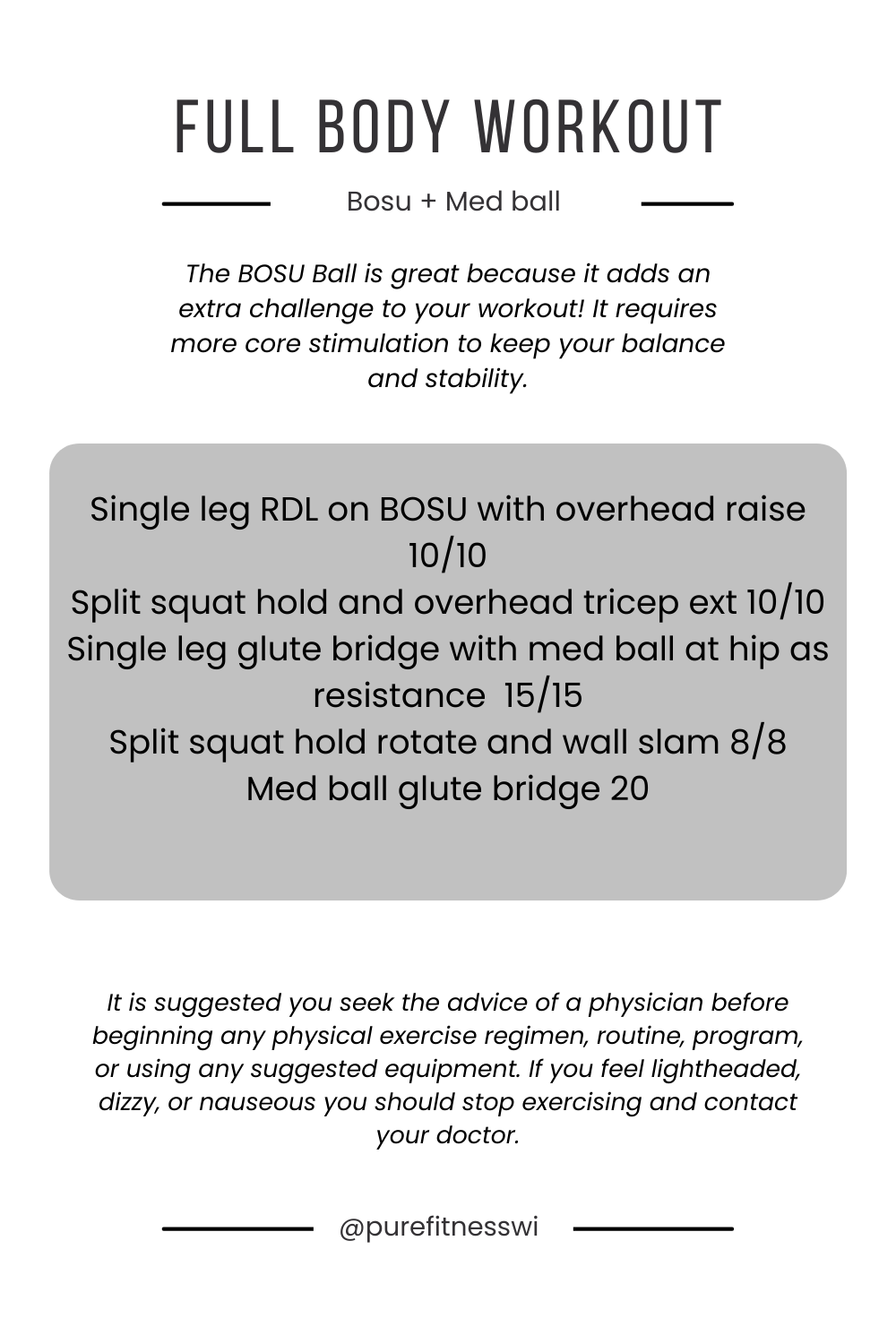
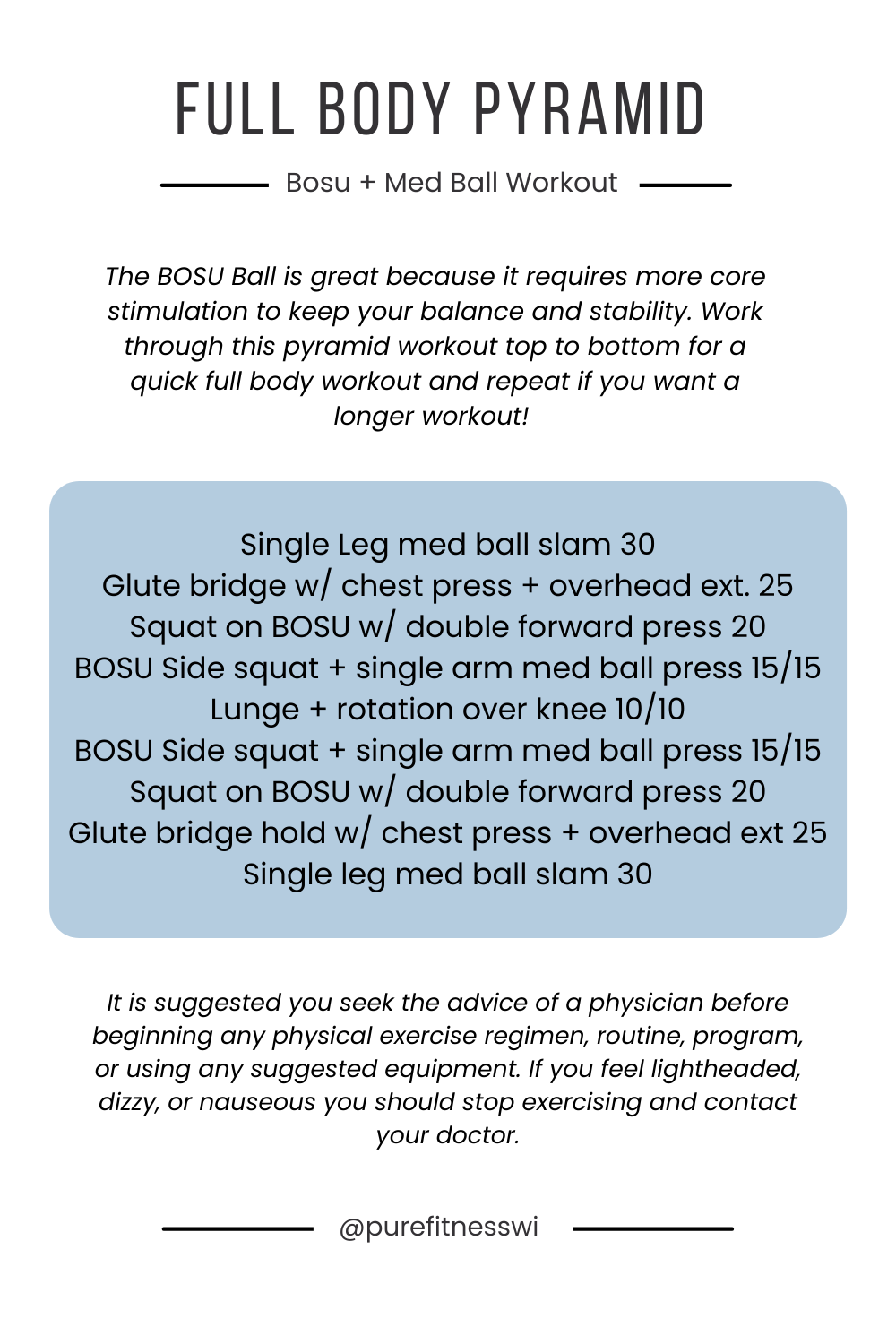
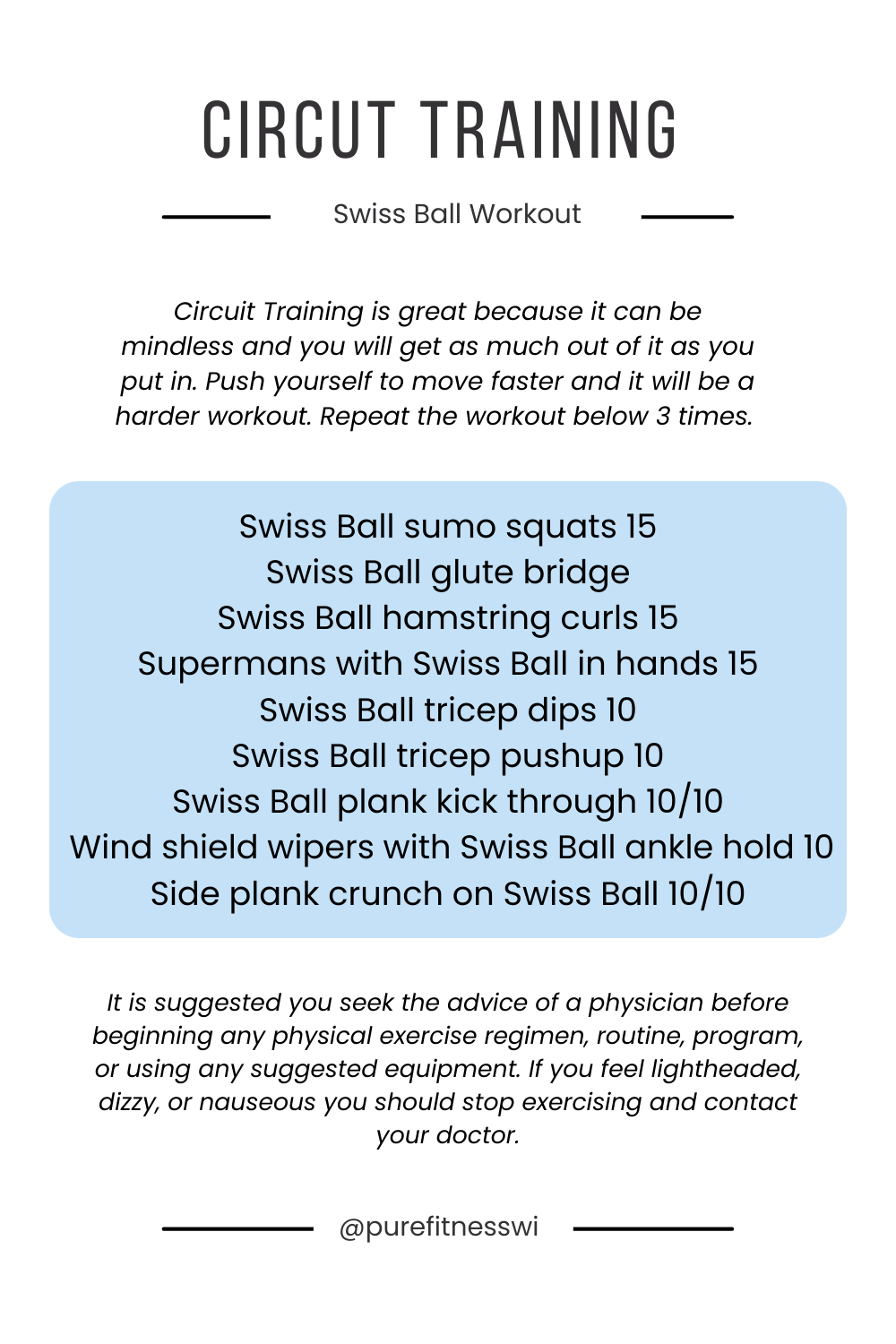
There are many workouts for you to download and save. Scroll through them all to find which ones you want to try. 

Grinder Salad Recipe

Grinder Salad Recipe

I think this recipe exploded the internet last summer and since then my girl friend and I have been tweaking and perfecting the recipe that we now consider the source of truth for all Grinder Salad to come.. Some of it might be the exact ingredients or maybe it is the...
read more
How Personal Trainers Can Achieve Financial Independence

How Personal Trainers Can Achieve Financial Independence

Achieving financial independence as a personal trainer isn’t just about working harder—it’s about working smarter. A well-structured business model can be the difference between financial instability and consistent income growth. In this blog, we’ll explore how to...

read more
5 Hacks to Grow Your Fitness Business

5 Hacks to Grow Your Fitness Business

For personal trainers, time is often the most valuable yet limited resource. Balancing client sessions, marketing tasks, and business growth can feel overwhelming, leaving little room to focus on growing your reputation and scaling your business. The good news? With...

read more
fitness articles
lifestyle articles
nutrition articles
golf articles

SUBSCRIBE

Click to sign-up for weekly information and offers.

DISCLOSURE

We are a participant in the Amazon Services LLC Associates Program, an affiliate advertising program designed to provide a means for us to earn fees by linking to Amazon.com and affiliated sites.

6 Exercises To Create A Stronger You Today

6 Exercises To Create A Stronger You Today

We use on a regular basis with our clients and that we think are very valuable. These 6 exercises to create a stronger you today when worked routinely will have a measurable impact on your fitness. Read how to do each movement safely and check out the downloadable workouts at the end for a place to get started.


TABLE OF CONTENTS

  1. Ab Wheel
  2. Bent Over Row
  3. Wall Sit
  4. High to Low Core Rotator
  5. Tricep Dip
  6. Band Walks
  7. Downloadable Workouts

AB WHEEL

The ab wheel is almost a standard in our gym. Not that everyone “should” be able to do it, but that it is an example of core strength and stability. Performing the ab wheel correctly, pain free is a benchmark that we can measure core strength by. Again, we do NOT use it with everyone, but healthy individuals, especially look for improve athletic performance you better bet your bottom dollar we do.

If those individuals can give 15-20 exceptional ab wheel reps then we hit them with some progressions. Like putting a weight on your back or performing the reps from your toes. Both show a high level of core & shoulder strength & stability.

HOW TO PERFORM AN AB WHEEL

First off you are going to need to have an ab wheel. If you don’t skip over to your nearest store or order one up off of amazon (affiliate link). Next up is something for your knees. We have the stability pads (affiliate link) that we use at the gym, but if you don’t have one on hand you can use a towel or pillow. I would 10 for 10 recommend the stability pad, we use it for so many exercises from core to balance. But I am against having a bunch of stuff laying around – so make sure you have a place for it. Otherwise grab the pillow of your couch and get going.

STEPS FOR AN AB WHEEL

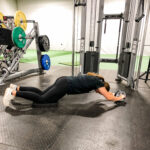
  1. Start on your knees with the ab wheel on the ground under your shoulders.
  2. Brace your core and push from your knees and hands to move the ab wheel forward.
  3. Once you have reached YOUR maximal range of motion pull the wheel back to the starting position by equally pulling in from your arms and hips.

WHAT TO AVOID WHEN DOING THE AB WHEEL

In no way is this an “entry level” core exercise. Most common mistake we see is continuing to perform this exercise incorrectly. The exerciser either creates an issue (pain) or exacerbates one. Make sure you are strong enough by doing plenty of core exercises with great form, to failure.

  1. Arching low back or sagging butt – this is an ab exercise, brace your core!
  2. Only moving your arms – your torso should come forward with your arms.
  3. Only moving your hips/torso – your arms should extend forward at the same time.

TIPS FOR THE AB WHEEL

  • Control your pelvis. Arching in the low back is the number one cause of pain or discomfort with this exercise. It indicates that your abdominals are not staying engaged. Keeping your hips tucked can help you engage your low abdominals and prevent the low back from arching. But the more neutral spine you can stay the better.
  • Equal Movement. We want to see your hips and shoulders extending simultaneously in both directions. The movement should be smooth and equal.
  • Range of Motion. The end goal of this exercise is a full extension. However, that isn’t where you start. Most people will have to shorten their range of motion in order to keep their pelvis tucked/ back neutral and equal movement from the hips and shoulders.

CORE REGRESSION & PROGRESSION EXERCISES

With the ab wheel being an advanced core exercise you may need some other exercises to supplement. Try planks with upper body movements like shoulder taps and plank step-ups to work on strength in the end range of motion of an ab wheel. Sit-up variations on the decline bench or v-sit variations to work on hip flexor strength and low abdominals.

If you want to make the exercise hard you can work on angles out to the side, add a weight to your back or try from your toes. BUT we caution these moves unless you are truly doing 15-20 really high quality, full range of motion reps.

BENT OVER ROW

It may be a basic, simple, old exercise, but everyone should be familiar with a bent over row. And if you already know the bent over row, how many other back exercises can you think of? Hopefully 2 or 3 times as many chest exercises.

Training your back muscles should 100% be a priority during your workouts. We live in a forward dominant world – meaning life we do most of our activities in the front of our body. Exercise should work to maintain balance in our bodies, which means we need to do more back work to manage the impact of our lifestyle habits.

HOW TO PERFORM A BENT OVER ROW

Let’s start by recognizing the posture of a bent over row. It is important to understand that this bent over posture puts a large load on the core – back and abdominals. Maintaining core engagement while in this posture will help maximize your results and keep your back pain free.

Second piece about posture is that the more parallel to the ground you are able to get your chest the better. That is from the perspective that we want to load more of the mid back and less of the upper back. Of course, there will be times you want to load the upper back, but that’s not right now.

An added bonus for the bent over row is that it requires your lower body to work isometrically to hold the hip hinge posture.

Finally, because I can’t say the word posture enough … the bent over row will help improve your posture. Any back exercise, done properly, will help your posture. You will notice you stand up straighter, walk taller and have a more elongated appearance in the mirror. But, that will only happen by putting in the work and following a regular, consistent program.

STEPS FOR A BENT OVER ROW

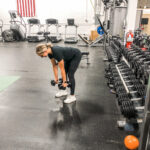
  1. Holding weights at your hips, set your feet in a comfortable stance. Try to go no wider than shoulder width.
  2. Brace your core and slightly bend your knees.
  3. Hinge at your hips, keeping your core tight and your spine neutral as you lower your chest to parallel with the ground.
  4. Once in position the weights should hang directly below your shoulders (see picture).
  5. Pinch your shoulder blades together and “row” or pull the weights toward your chest.
  6. Control the weights back down to the starting position and repeat.

WHAT TO AVOID WHEN DOING A BENT OVER ROW

  • Arching & rounding of the spine/back.
  • Curling of the wrists.
  • Lifting chest out of parallel posture.

TIPS FOR A BENT OVER ROW

  • Focus on your shoulder blades, not the distance your weight travel. Retracting or pinching your shoulder blades as the first motion in a row is critical to recruiting your back muscles over your biceps. Try to “grab a pencil” between your shoulder blades to help visualize your shoulder blades retracting/pinching.
  • In a bent over, or hip hinged, posture you are increasing the demand on your trunk. Keeping a neutral spine and core engaged the entire time will keep your low back from becoming over worked. Work to keep your back parallel to the ground the entire time.
  • Keep your core braced and spine neutral through the entire movement. Tendency is to allow your back to arch as you pull the weight to your chest and round as you lower it towards the ground. Fight that tendency!
  • Far too often we see extension or arching in the mid-to-low back upon movement. This will cause irritation of the low back and decrease the use of your abdominals. Squeeze your core!
  • Change your grip and arm positioning to target your back differently. I like wide bent over rows with a palm down position and an underhand grip bent over row the best.

OTHER BACK EXERCISES AND BENT OVER ROW VARIATIONS

There are a significant amount of variations to a bent over row. Too many to name, but you can add a stability component and stand on single leg, you can make it unilateral and perform it single arm. You can do it from a plank position to increase the challenge on your core. Make your choice based on your ability to perform quality reps and the end goal (or adaptation) you are trying to achieve.

A few of the common exercises I use to train my back are pull-ups because there is no better exercise for your back. You may need to start with a modification (heavy seated row or lat pull down) or assistance, but being able to do pull-ups is an excellent measurement of back strength and overall fitness.

I also love reverse fly and bent over Ys because they effectively target the smaller posterior muscles of the shoulder that keep your shoulders back. Which translates to the appearance of walking tall or walking with confidence as you consistently hold your shoulders back, keeping your chest upright and open.

WALL SIT

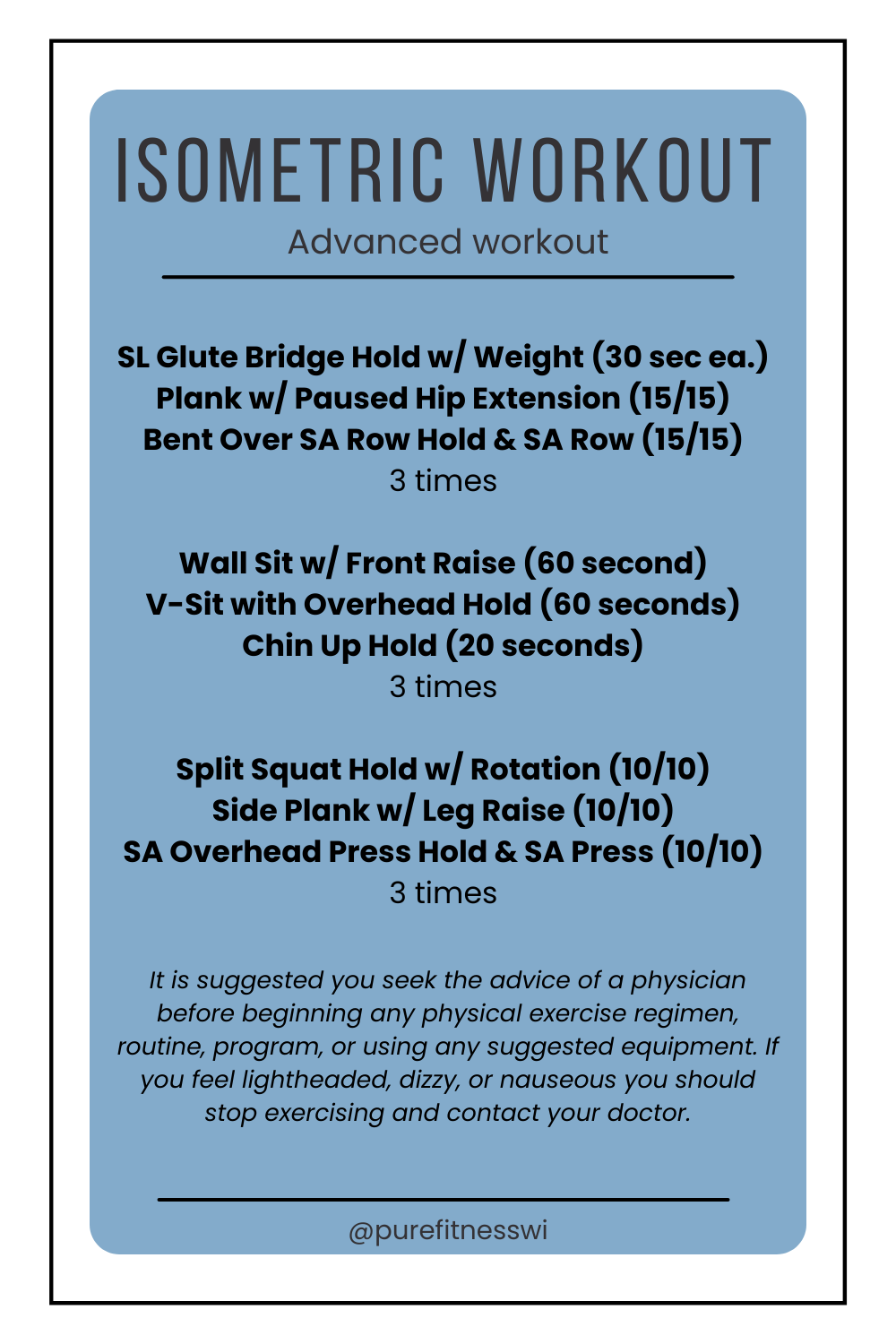
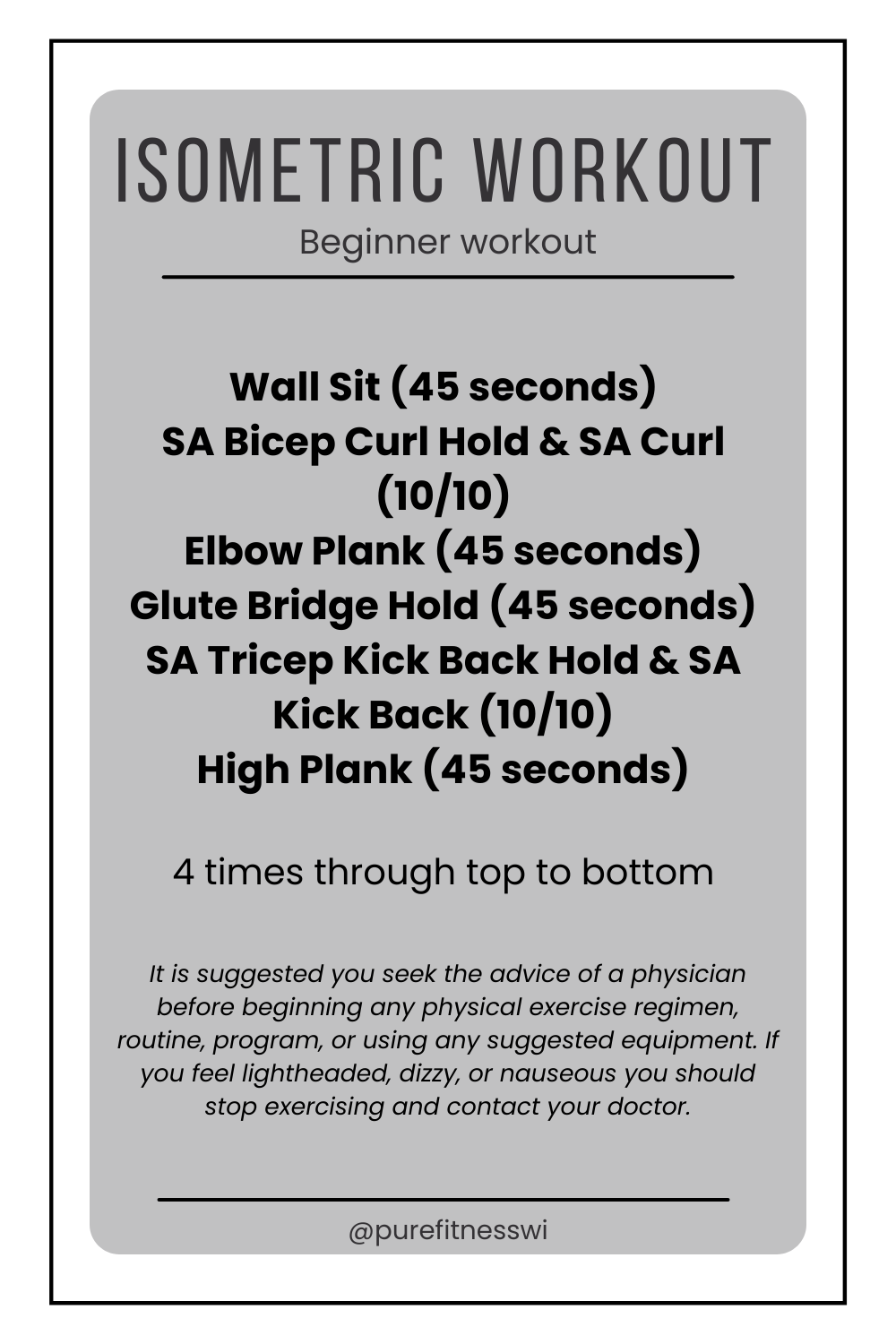
The wall sit is an isometric exercise. If you are wondering what in the heck isometric is, or if it is even English, let me explain. Isometric is essentially a muscle contraction that produces no movement. In fact, you are likely doing isometric work in the form of a plank or a v-sit hold.

The biggest reason you should be doing isometric exercises is for the stability benefits. Whether you are a teenage athlete, avid runner or in the aging population stability is your friend. It should be your best friend.

You will also experience an improvement in muscle endurance by regularly incorporating isometric exercises. This is once again great for athletes, injury prevention and the aging body.

How to Perform A Wall Sit isometric exercise

  1. Find yourself a wall.
  2. Sit against it.

It really is that simple. However, we have some guidelines to follow or work towards.

  1. Try to get 90 degrees of flexion at your hips and knees. This depth mirrors a squat depth and has a direction translation to muscle fiber recruitment for proper muscle firing within the movement.
  2. Keeping your feet around hip width and knees over your ankles. We want to avoid excessive internal rotation, letting our knees knock in, and rolling onto the side of our foot, picking up our big toe, and lifting our heels off the ground. Focus on a consistent foot contact with the ground.
  3. Maintain contact with the wall at your head, shoulders, back and butt by bracing your upper body into the wall. This will make your wall sit more of a total body exercise and help the neurological connection between your lower and upper body in the squatting pattern.

What to Avoid when doing a Wall Sit

  • Lifting your heels off the ground (for a standard variation)
  • Letting your knees cave in
  • Rolling on to the outside of your foot
  • Leaning forward and rest your elbows on your thighs

Other Isometric Exercises and wall sit variations

A plank is a great upper body isometric exercise, but the sky is the limit. You can take any muscle contraction and make it isometric. Just think of an exercise you like. Here is a common one – a bicep curl. Simply hold the weight with your elbow(s) at 90 degrees. You can time the exercise, or do it while holding a lunge for an isometric lower body burn too. Alternately you could be doing a full reverse lunge and working the concentric and eccentric phase.

Here are a few of my favorite isometric exercises:

  1. Plank Variations: movement in the lower body like knee drives, pikes, scissors, kick throughs, or change the surface of the plank to be on a Bosu Ball, medicine ball, stability ball.
  2. Wall Sit Variations: add movement in your upper body with resistance bands or free weights, hold a medicine ball between your knees, march or wear a band and use your glutes to drive into the band.
  3. Upper Body Variations: chin up hold, flexed arm hold, single arm hold and perform reps with the other arm (ex – bench press with one arm locked out at the top).
  4. Lower Body Variations: split squat position, hold the bottom position of a RDL, glute bridge hold (optional single leg), calf raise hold, single leg squat with alternating toe tap.

HIGH TO LOW CORE ROTATOR

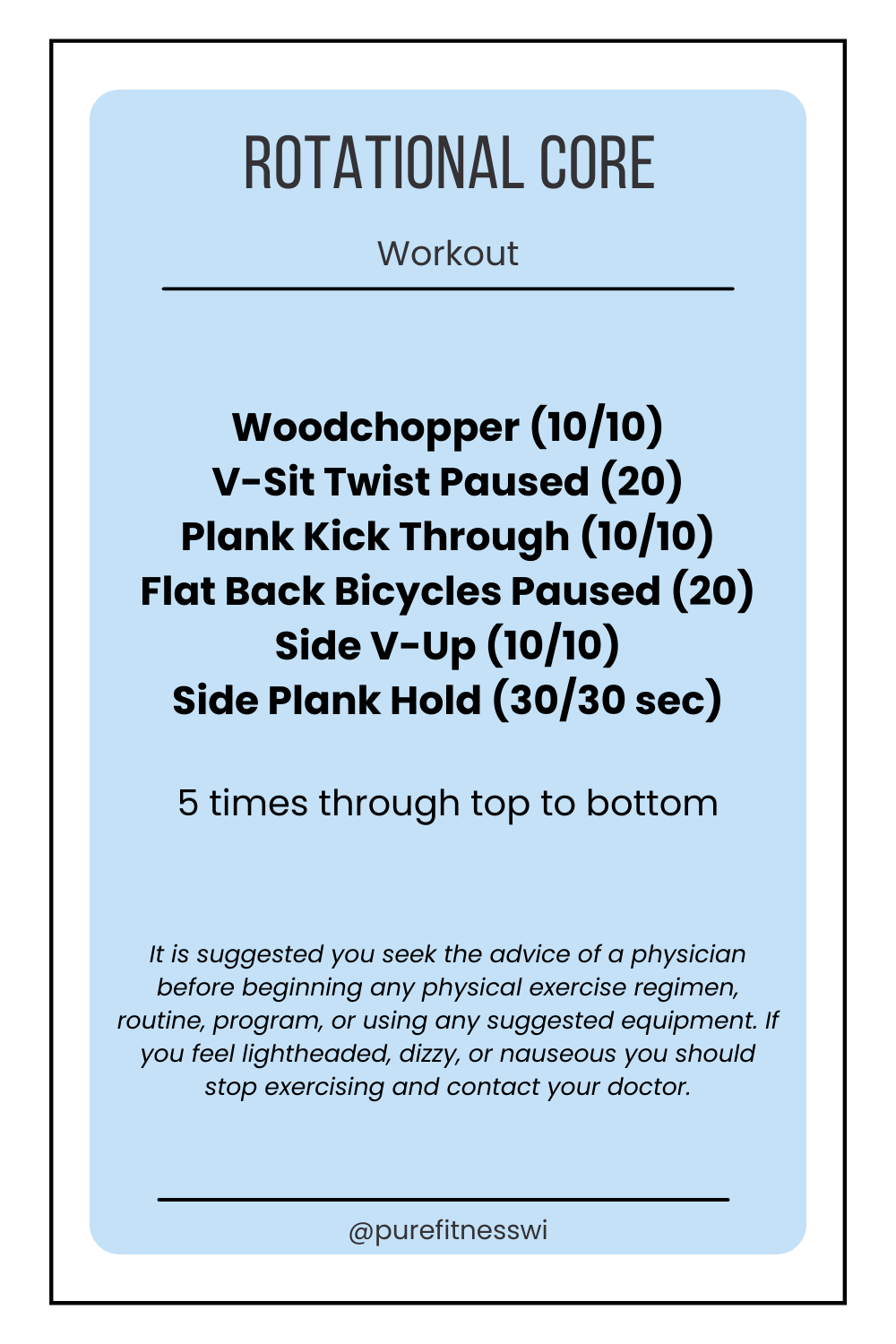
The high to low core rotator is functional rotational exercise targeting your core, including shoulders and hips. We consider it one of the best rotational exercises because of how effective it is at targeting specific phases of muscle contraction and focused movement patterns. The variations you can take from plane of movement, stance, unilateral vs. bilateral … they feel limitless. This really allows us to follow the principal of variability to increase stability throughout the core.

It is important to note that your core as we refer to it includes abdominals, posterior muscles of the trunk, glutes and shoulders. Additionally, if you focus on the abdominal muscles you will find that rotation requires multiple muscles, not just one like some ab exercises. The high to low core rotator is trunk rotation with flexion meaning we are getting obliques, transverse abdominis and rectus abdominis to name a few.

HOW TO PERFORM A HIGH TO LOW CORE ROTATOR

We love to use core rotator variations in our programming because they scale easily to meet the individual where they are, they are highly functional and the amount of variations make them applicable to everything from sports performance to injury prevention/rehabilitation.

The high to low core rotator we would consider a starting point. A basic, entry level movement that can provide us with feedback on client abilities and challenge a client’s strength, proprioception and range of motion.

STEPS FOR A HIGH TO LOW CORE ROTATOR

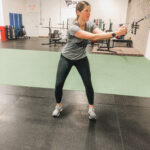
  1. Set your cable attachment at the top of the pulley machine so that it is above your head.
  2. Start perpendicular to and offset from the cable machine so that the machine is slightly in front of you. You can start on facing either side, as long as the cable machine is slightly in front of you.
  3. Hold on to a single handle with the inside hand, or the hand closest to the cable machine. Wrap the opposite hand around the top of that hand. And take a few steps away, from the cable so the weights are not resting.
  4. Set your feet shoulder width apart and bend your knees, pushing your weight into the midfoot – heel, to load your hips and glutes.
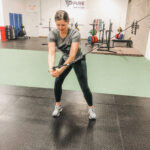
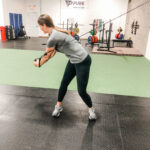
  5. Brace your core by squeezing your abdominals, rotate from your hips and shoulders bringing the handle across your body to the opposite hip.
  6. Control the cable and your arms as your rotate back to the starting position, following the exact same path.
  7. Perform 10 reps on one side and then switch sides.

WHAT TO AVOID WHEN DOING A HIGH TO LOW CORE ROTATOR

The cable should follow an angled path from high to low (hence the name). If you do not bring your arms down on an angle as you come across your body line the cable will hit you in the face or throat.

Your back should remain neutral as you rotate through this movement. Any extending or arching in your back will cause discomfort. This exercise is designed to use flexion and rotation, flex and squeeze your abs!

Keep your weight even between your left and right foot. Allowing your weight to shift or leaning to the side can cause you to loose balance.

HOW TO PROGRESS A HIGH TO LOW CORE ROTATOR

We have mentioned that there are almost limitless possibilities for a high to low core rotator, right? Well that makes it hard to tell you how to progress it. Here is our best advice:

  • Change the height – as you bring the cable pulley attachment down towards your chest, hips and then knees the exercise becomes increasingly more difficult. You should not be doing the same weight the entire time. Gravity isn’t helping you as you lower the cable. Which means you are now fighting gravity. Of course we don’t call these high to low core rotators anymore, but they are certainly harder variations.
  • Change your stance – you can move your feet around to work on different angles and in various stability situations like kneeling, half kneeling, single leg and more.
  • Change the grip – switching what hand is on the bottom and single arm versus double arm will change the difficulty and the demand of the exercise.

TRICEP DIP

Your triceps, or the muscle located on the back of your arms, are used more than you might think. The triceps muscle is responsible for straightening your elbow, which we do all day long. Like pushing yourself out of bed in the morning or off the ground, closing doors or cabinets or simply reaching for an item by straightening your arm.

We also use them in a lot of activities like push-ups, shoulder presses, chest presses, planks, swimming, volleyball, baseball and more. Just think of anytime you straighten your elbow to keep it straightened.

It is important to note that the triceps muscle has three heads. (An easy easy way to remember that is tri means three.) Training your triceps in a variety of movement patterns is needed to effectively target all three.

HOW TO PERFORM A TRICEP DIP

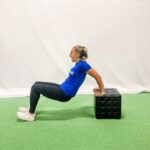
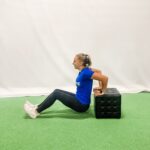
  1. Sit on the edge of a elevated flat surface with your hands resting, palms down on the surface.
    • You can use any stable surface that allows your feet to touch the ground. Think bench, box, chair, stair, coffee table, etc.
  2. Push through your hands and lift your butt off the surface while you walk your feet slightly away from you.
    • The hardest position is with your legs extended straight in front of you.
    • Keep in mind your hips should stay close to the surface you are using.
  3. Bend at your elbows and lower your hips towards the ground while keeping your chest upright and open.
    • Aim for a depth of 90 degrees at the elbows IF there is no shoulder discomfort and you can maintain good form.
  4. Drive through your hands and straighten your elbows to bring you back up to the starting position.
  5. Repeat for reps.

WHAT TO AVOID WHEN PERFORMING A TRICEP DIP

  • Minimal elbow bend – your triceps are responsible for extension at your elbow (straightening). The more intention you can put into bending your elbows to achieve the needed range of motion the more work you can put into your triceps.
  • Hips too far from surface – the further you allow your hips to drift away from the surface (box, bench, etc.) the more form challenges you will encounter. It will be harder to focus your intentions on bending at the elbow, there will likely be some shoulder discomfort, and your range of motion will change dramatically. 
  • Chest rounding forward – the round of your shoulders will change the range of motion, which will change the muscles used and the load you feel in your triceps. Focus on keeping your chest upright and open. 

Luckily all there of these pieces of advice work synergistically. If you focus on bending at the elbows you will have to keep your hips closer to the surface you are using and keep your chest upright. If you keep your hips closer to the surface you will be more inclined to bend at the elbows and more capable of keeping your chest upright. And, finally, if you keep your chest upright you will be able to keep your hips closer to the surface and bend at the elbows!

HOW TO PROGRESS A TRICEP DIP

Make sure you have mastered the straight leg tricep dip before moving on to a harder version. If you have been doing knees bent, straighten your legs for a bigger tricep load. This is because the force arm (your legs) is longer as you straighten your leg. Putting more load into your triceps.

If you can check straight leg tricep dip off the list check out these options:

  • Add a weight to the top of your thighs.
  • Elevate your feet onto another box, bench or chair.
  • Incorporate instability at your feet or hands by using a BOSU ball or TRX

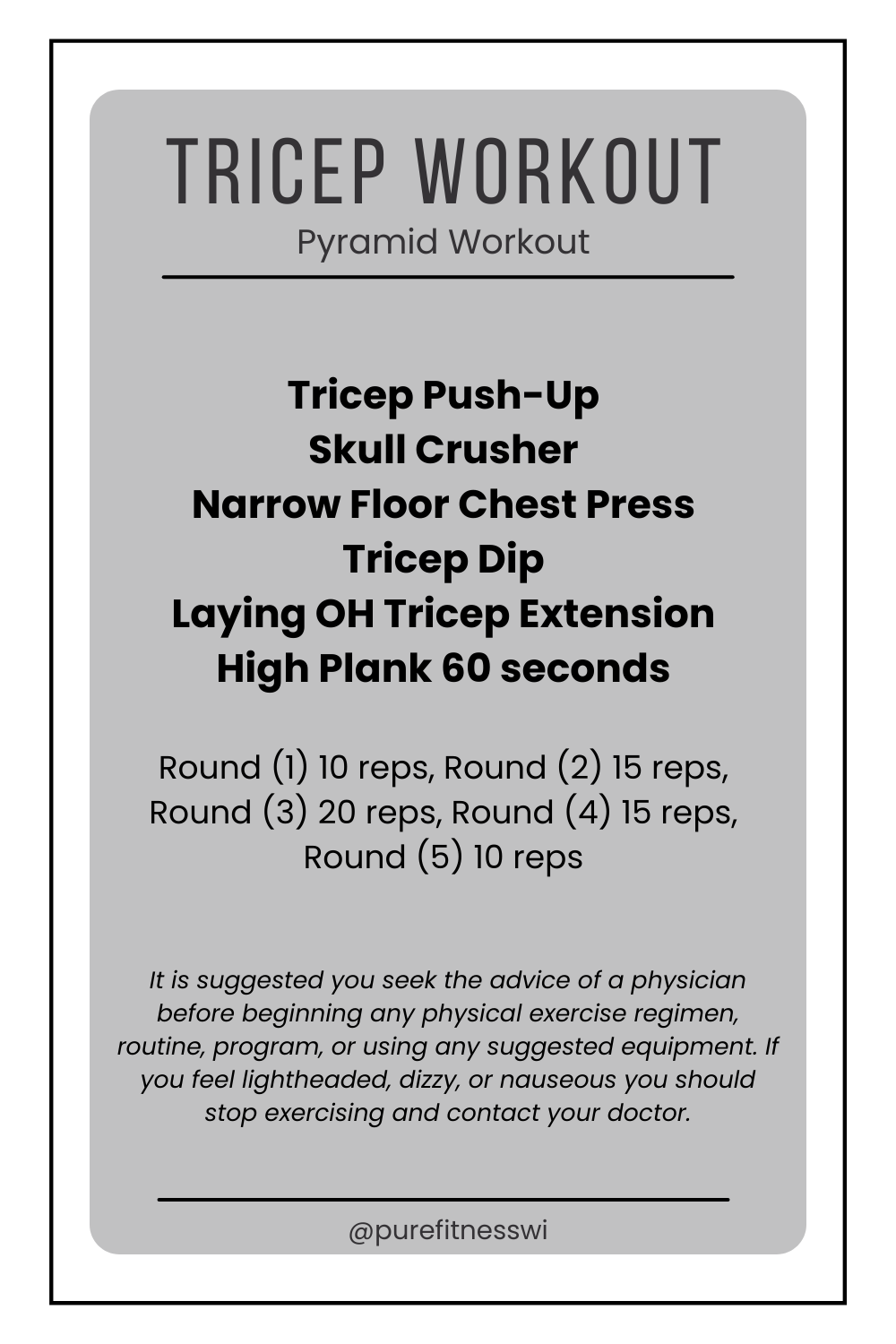
OTHER TRICEP EXERCISES

  • Tricep Push-Up
  • Skull Crusher
  • Laying OH Extension
  • Standing Tricep Extension
  • Sklz Single Arm Extension
  • Narrow Floor Chest Press

BAND WALKS

Our training philosophy starts with establishing range of motion (ROM), building stability within ROM and then building strength and power. We follow this philosophy with all of our clients and for all joints. We use band walks to build and maintain stability at the hips.

HOW TO DO BAND WALKS

Band walks are done with a small circular band placed anywhere from the upper thighs to the ankles. This placement helps activate the muscles of your hip, building stability. The lower on the leg you place your band the hard the exercise will be. You can also get various levels of resistance which may change where you place the band.

I love to use the hip circle for myself and my clients It is a pretty great investment for $20. Shop here in this affiliate link.

Other factors like injury, orthopedic limitations or difficulty engaging the right muscles will dictate where you should place the band.

Two most common band walks are lateral and forward/backward, sometimes called monster walks.

  1. Select the location of your band and get it into place.
  2. For lateral band walks you will step sideways and for Monster walks you will step forwards. In both situations you are trying to maintain tension on the band every time your trail leg steps in. This means you are not allowing the band to pull your leg in, rather you are resisting that force.
  3. You continue to taking steps until you reach a desired location or rep count. I usually work my clients in sets of 20 in one direction. For monster walks my clients would walk forward 20 steps the backward 20 steps to the same starting position.

WHAT TO AVOID WHEN DOING BAND WALKS

One of the most common is an inward rotation or caving of the knees. The intention is for us to drive against the band activating our hip muscles. If we allow our knees to inwardly rotate or cave in we are being controlled by the band. Which is, generally speaking, a no-no in the training world.

You also want to avoid any back pain while doing band walks. Back pain can occur when you are straining against the band and moving into poor form to achieve movement. For example, if you are doing a glute bridge with the band on and experiencing back discomfort you are likely over extending (or arching) in your low back. Keeping a neutral spine and tight core while using the hip circle is necessary to get the most out of the exercise.

FAVORITE BANDED EXERCISES

Banded exercises are great for improving hip stability and good hip stability is impacted by more than external rotation and the glute muscles. There are a lot of supporting, stabilizing muscles of the hip including muscles of the inner thigh like adductors. While we use the hip circle to build hip stability we also incorporate other exercises designed to strengthen the muscles of internal rotation to keep the hip balanced.

  • Band Walk Variations
  • Squat Variations
  • Plank Variations
  • Glute Bridge Variations
  • Pulsing Wall Sit

WORKOUTS

There are many workouts for you to download and save. Scroll through them all to find which ones you want to try. 
Grinder Salad Recipe

Grinder Salad Recipe

I think this recipe exploded the internet last summer and since then my girl friend and I have been tweaking and perfecting the recipe that we now consider the source of truth for all Grinder Salad to come.. Some of it might be the exact ingredients or maybe it is the...

read more
How Personal Trainers Can Achieve Financial Independence

How Personal Trainers Can Achieve Financial Independence

Achieving financial independence as a personal trainer isn’t just about working harder—it’s about working smarter. A well-structured business model can be the difference between financial instability and consistent income growth. In this blog, we’ll explore how to...

read more
5 Hacks to Grow Your Fitness Business

5 Hacks to Grow Your Fitness Business

For personal trainers, time is often the most valuable yet limited resource. Balancing client sessions, marketing tasks, and business growth can feel overwhelming, leaving little room to focus on growing your reputation and scaling your business. The good news? With...

read more
fitness articles
lifestyle articles
nutrition articles
golf articles

SUBSCRIBE

Click to sign-up for weekly information and offers.

DISCLOSURE

We are a participant in the Amazon Services LLC Associates Program, an affiliate advertising program designed to provide a means for us to earn fees by linking to Amazon.com and affiliated sites.

How To Use a BOSU and Swiss Ball

How To Use a BOSU and Swiss Ball

I am going to break down how to use a BOSU ball and a Swiss ball. As a bonus I am going to include a look at how you can use SKLZ sliders, a TRX, and a medicine ball with the BOSU ball.


TABLE OF CONTENTS

  1. How and Why Use a BOSU Ball
  2. How and Why Use a Swiss Ball
  3. BOSU ball with SKLZ Sliders
  4. BOSU Ball with a TRX
  5. BOSU Ball with a Medicine Ball
  6. Downloadable Workouts
  7. Equipment

You can probably seamlessly starting incorporating the BOSU Ball in the routines you are already doing. It is a great way to provide a new stimulation to old exercises. Keep reading as we discuss the function of a BOSU Ball and what you are getting out of your workouts by adding it in.

REASONS TO DO BOSU BALL WORKOUTS

There has to be a reason why you would want to use a BOSU Ball. For those of you that have used it, you are probably thinking “because it makes it harder!” and you would be right. But let’s take a moment to understand why it makes it harder and what you are actually getting out of using the BOSU ball.

BALANCE AND STABILITY

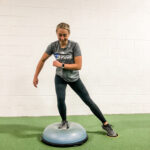
The BOSU Ball challenges your balance and stability because of its half circle shape. The instability increases the demand on your muscles which can stimulate physiological changes and cause muscle fatigue. In addition, when your balance is being challenged your core will turn on. Because your core is the center of balance for your body.

When you take common exercises like a squat or a push-up and do them on a BOSU Ball the demand on the body immediately changes. You will notice physiological responses like shaking and a faster onset of fatigue as your body tries to figure out how to balance on an unstable surface.

CORE STIMULATION

Whenever the conversation turns towards balance the core has to be considered. Core strength and stability are the key to having good balance. Think that through and you will understand that the BOSU Ball is training your core no matter what exercise you are doing on it. Just remember to keep proper core bracing while performing your repetitions!

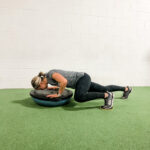
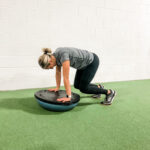
I bet you are wondering what about doing core specific exercises with the BOSU Ball. Of course you should do that. Doing a plank on a BOSU Ball is going to have a greater demand on your core stability AND your shoulder stability. Given how susceptible our shoulders can be to instability due to, in part, the large range of motion available at the shoulder, training them for stability is a must in any program design.

ADVANCE YOUR EXERCISES

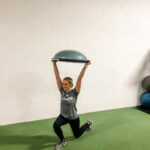
You can add a BOSU Ball into a ton of different exercises to challenge your body in a different way. A common exercise, like a mountain climber, done with either your upper body or lower body on the BOSU Ball will require an increase in your core stability. This WILL make the exercise feel harder.

Lower body exercises like squats, lunges and RDLs also become more challenging because of instability. We won’t dive into it here, but the BOSU Ball provides you with a way to train the lower body in an open chain capacity. Something that can be helpful in injury rehabilitation and that should be present in a well rounded program.

MY FAVORITE EXERCISES TO USE A BOSU BALL FOR

  • Push-Up Variations
  • SL RDL, Curl + Press
  • Plank Variations
  • Lunge Patterns

TIPS FOR DOING A BOSU BALL WORKOUTS

  1. Step on directly in the middle of the BOSU Ball. Try to put the middle of your arch in the center of the BOSU Ball. This will be different if you are using the BOSU Ball with a cable, where you want to offset your foot back to allow for better balance and weight distribution.
  2. Make sure your weight is mid-foot to heel. This helps to engage our glutes and hamstrings.
  3. Don’t completely straighten your knees when you are standing on the BOSU Ball. This allows your muscles to activate and help with balance.
  4. If it’s your first time using a BOSU Ball, take a second to just step on and let your muscles get used to the unstable ground and stay close to a wall or something you can use to help your balance as you get comfortable. Your muscles will feel very shaky, but that is their way of trying to figure out what is going on. Your muscles are rapidly firing to recruit enough fibers to meet the stability demand.
  5. Your muscles are going to have to adjust to the BOSU Ball. When working your lower body start by standing on the BOSU with two feet. Then progress to a  single leg balance on the BOSU. After you are comfortable there you can add dynamic movements.
  6. When you step off the ball, whether its because you are done with your reps or losing your balance, step completely off the BOSU Ball. Don’t try to catch yourself by shifting your feet or putting your other foot on the BOSU Ball. That will just cause you to lose your balance even more and possibly end in an injury.
  7. If your hands are on the BOSU and you are in a high plank position, make sure your shoulders are right above your hands. The BOSU Ball decreases the stability at the shoulder joint in that position, and you do not what to put unnecessary pressure on your shoulder by being too far forward or backwards.

Everyone knows what a Swiss Ball is. But you might not know it by that name. You might call it a yoga ball, a stability ball, a physio ball, a balance ball, or even a birth ball. It has many names because it can be used for so many different things. Expecting mothers use the Swiss Ball to induce labor and manage pain.  It is also just as common to be seen at a desk replacing a traditional chair. But we use it every day in the gym.

REASONS TO DO SWISS BALL WORKOUTS

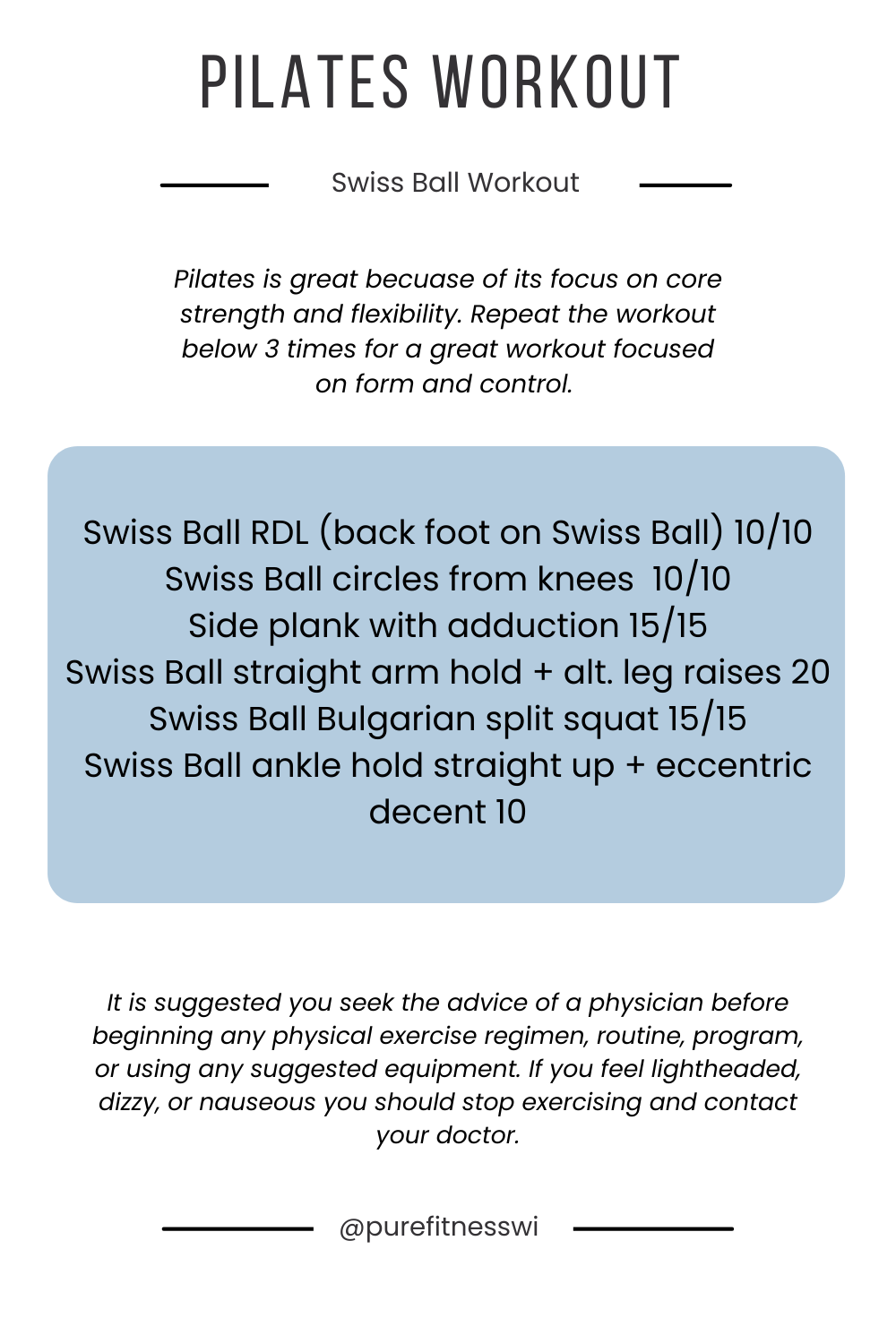
We use the Swiss Ball because of the numerous benefits and the ability to incorporate it with almost every exercise. Take a squat, add in a Swiss Ball, and it adds a proprioception aspect which allows the individual to be more conscious of their torso. Helping them to make sure their torso is up right, chest is up, shoulders are back and their core engaged. It teaches the client correct form so when the Swiss Ball is removed from the exercise the body knows how to properly load the muscles. 

The Swiss Ball can also add instability in an exercise to make it more difficult. Everyone knows what an elbow plank or a glute bridge is right? They are pretty simple exercises. But add in a Swiss Ball and it takes the exercise up a notch. The instability created by the Swiss Ball requires small muscles to fire to help execute a traditional exercise. So an elbow plank becomes harder as a whole and your core will really feel the burn.

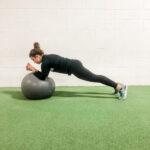
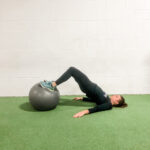
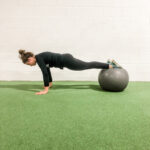
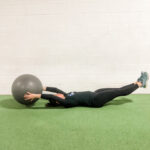
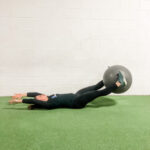
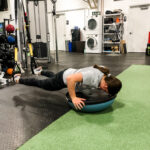
The Swiss Ball is also great to use as a light resistance, especially in core exercises. A Swiss Ball pass over is a great example of this, take a look at the pictures below. With your limbs acting as the levers you only need a light weight to make the exercise challenging.

TIPS FOR DOING A SWISS BALL WORKOUT

  1. Don’t over inflate the Swiss Ball. There is a little leeway around how inflated your Swiss Ball should be. Really it comes down to your preference. But when first inflating your Swiss Ball it may be helpful to remember the size of your Swiss Ball, either 45, 55, 65, or 75 centimeters and blowing it up to that specific size. Also don’t store your Swiss Ball somewhere too cold. Air expands when warm and contracts when cool so you will have to re-inflate your Swiss Ball if it gets to cold.
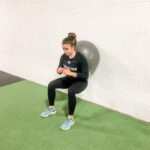
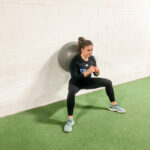
  2. When using the Swiss Ball against the wall in a squat or lunge position, the Swiss Ball should be positioned somewhere between the middle of your back and low back. If the Swiss Ball is to high it is likely your torso will curve forward, if the Swiss Ball is too low, you won’t be able to drive your hips back properly. 
  3. The Swiss Ball can make an exercises you can perform well a lot more difficult. Be responsible when progressing to a Swiss Ball. Progressing too fast can increase chance of injury. If you are progressing to an elbow plank on the Swiss Ball, start by putting the Swiss Ball up against the wall. This will allow for some instability but not as much which allows you to make sure you can preform the plank with good form before moving forward. When you are ready, take the Swiss Ball off the wall and see how you do.
  4. Check for sharp objects around you when using a Swiss Ball. We don’t want you to be using the Swiss Ball to support yourself and then it complexly fall out from underneath you! Or for you to fall off the Swiss Ball!

WHAT ARE SKLZ SLIDERS?

The SKLZ sliders are a great way to spice up your workout! They are great for a quick, low impact, full body workout where ever you go. And they are small and light weight making them a great travel companion.

Essentially they are a flat object that allows smooth movement across a variety of surfaces. SKLZ is a brand of fitness equipments, who make a slider product. There are numerous other brands on the market and you could even use a towel on hardwood surface or a tupperwear lid on carpeting.

The SKLZ Sliders can be used to decrease the stability at your joint, forcing the muscle around that joint, and your core to engage and do the work. Or the SKLZ Sliders can be used to enhance cardiovascular possibilities of a workout by increasing speed because they can easily slide across most surfaces. They are another great piece to include in your home gym or take with to the gym.

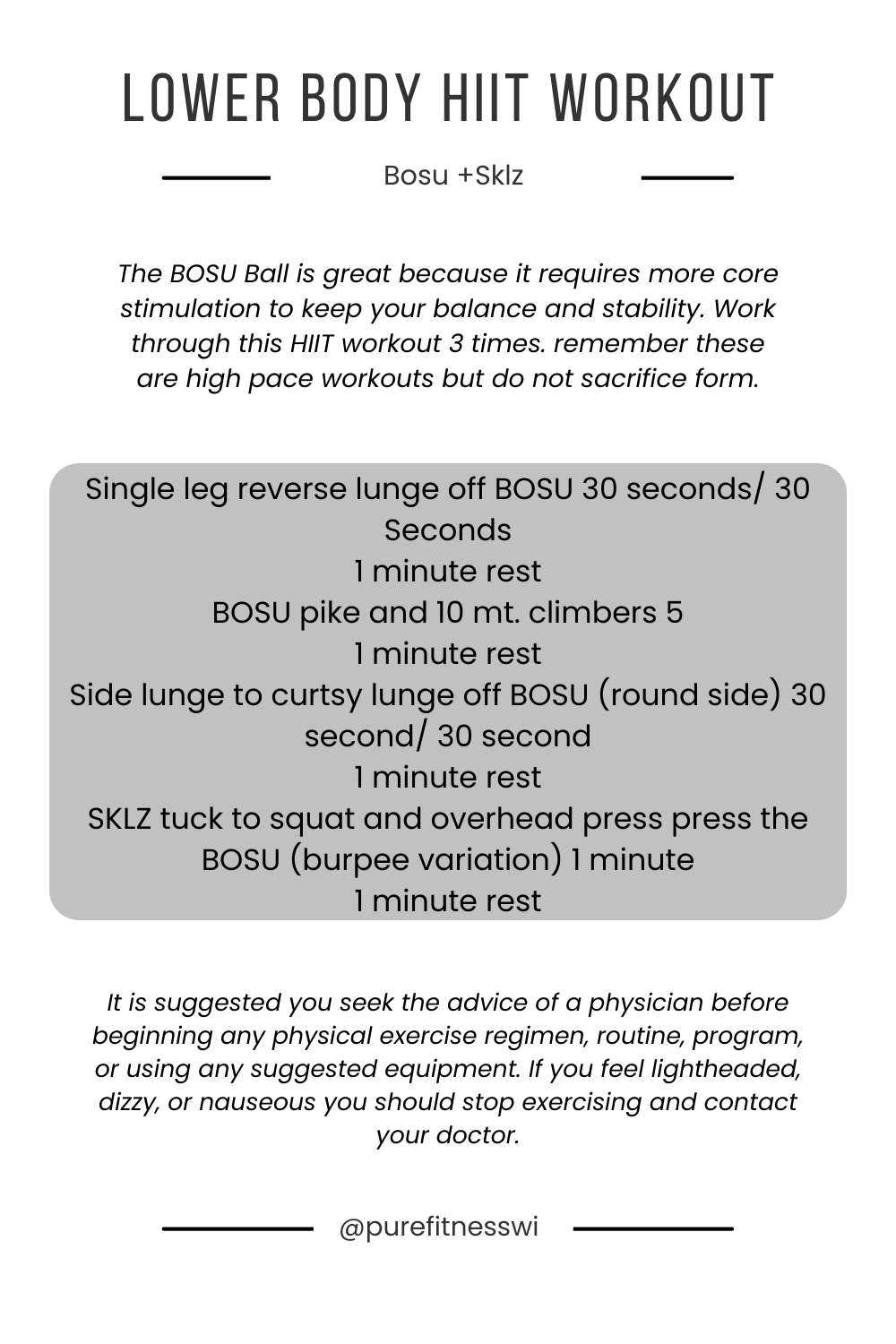
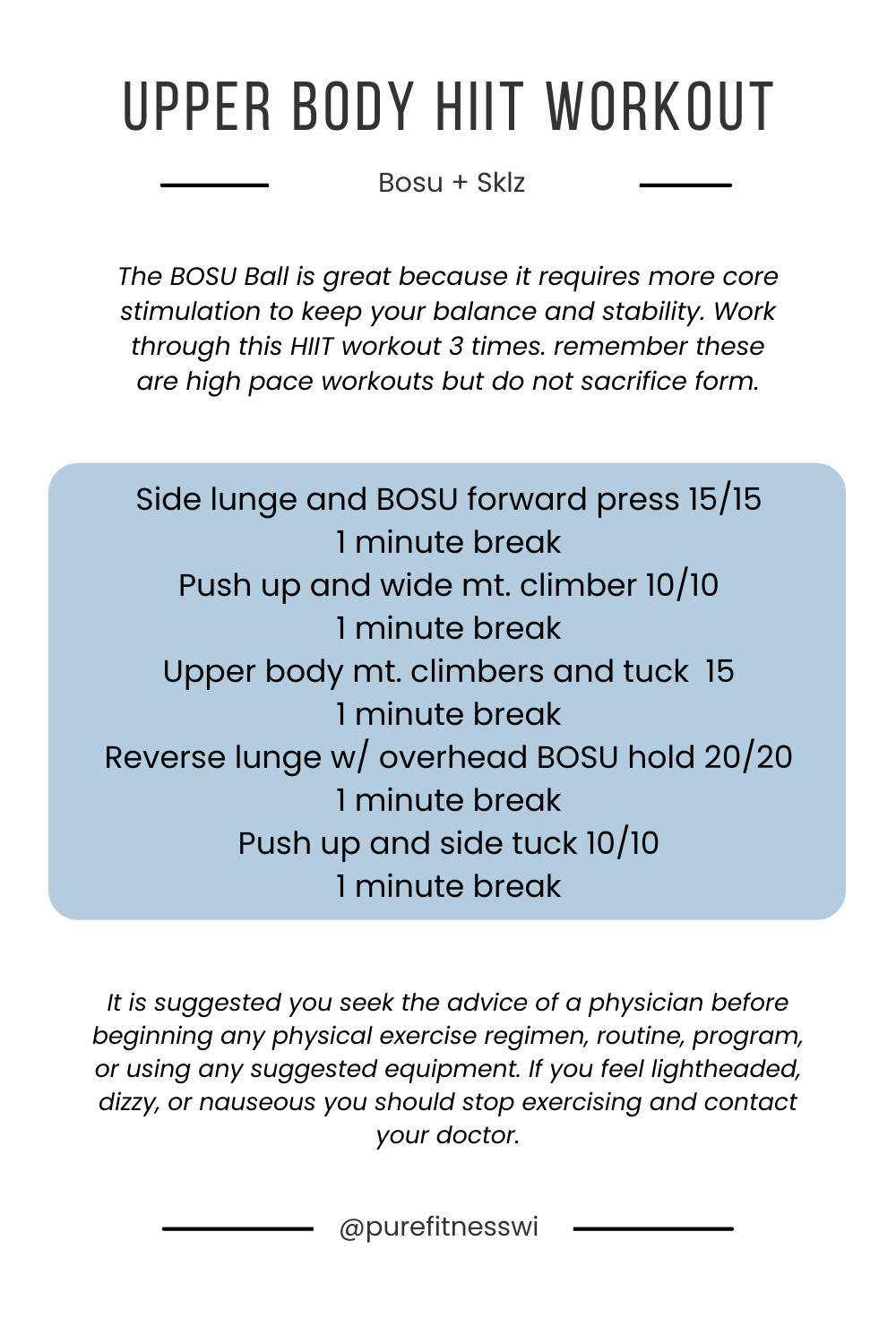
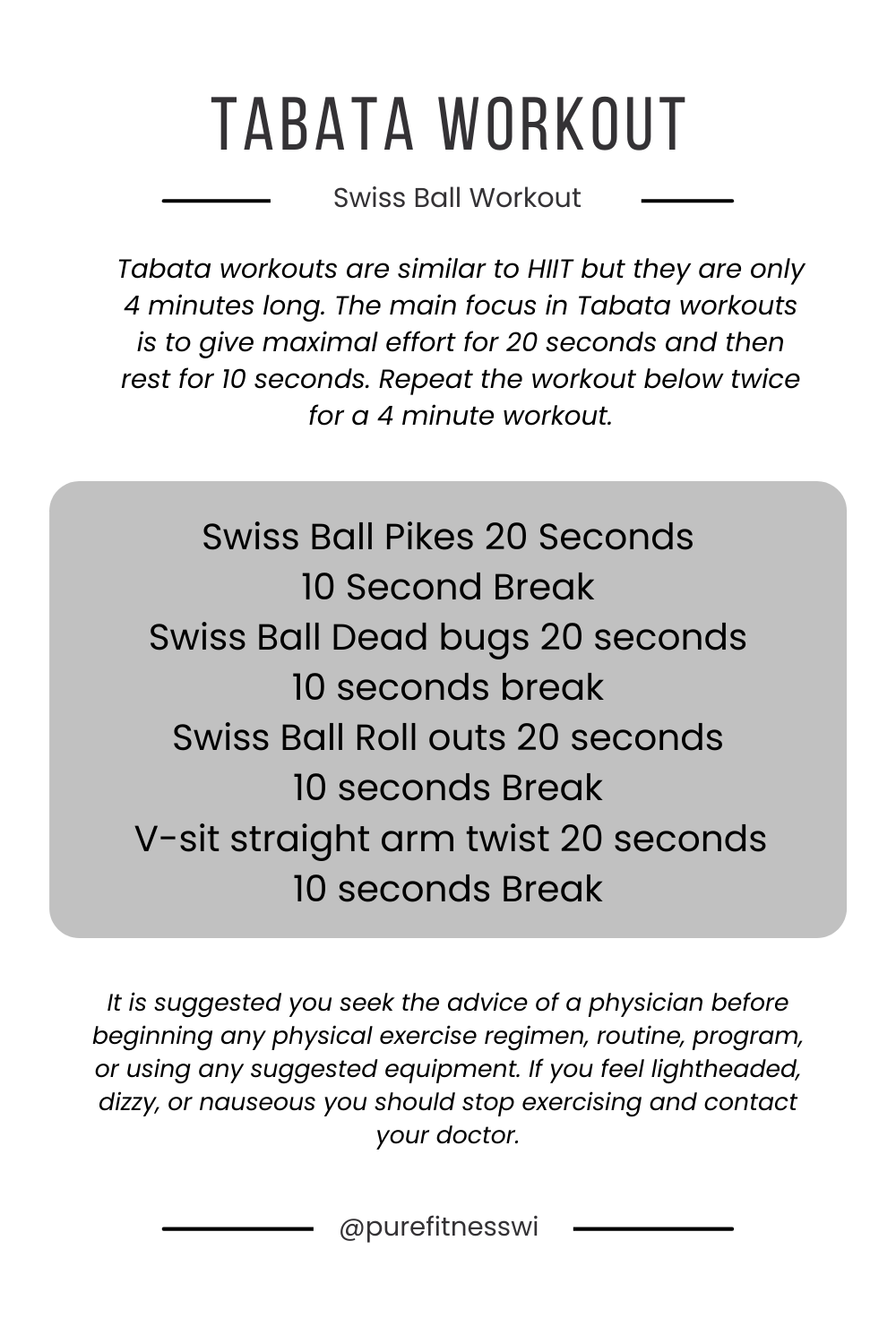
SKLZ + HIIT WORKOUTS

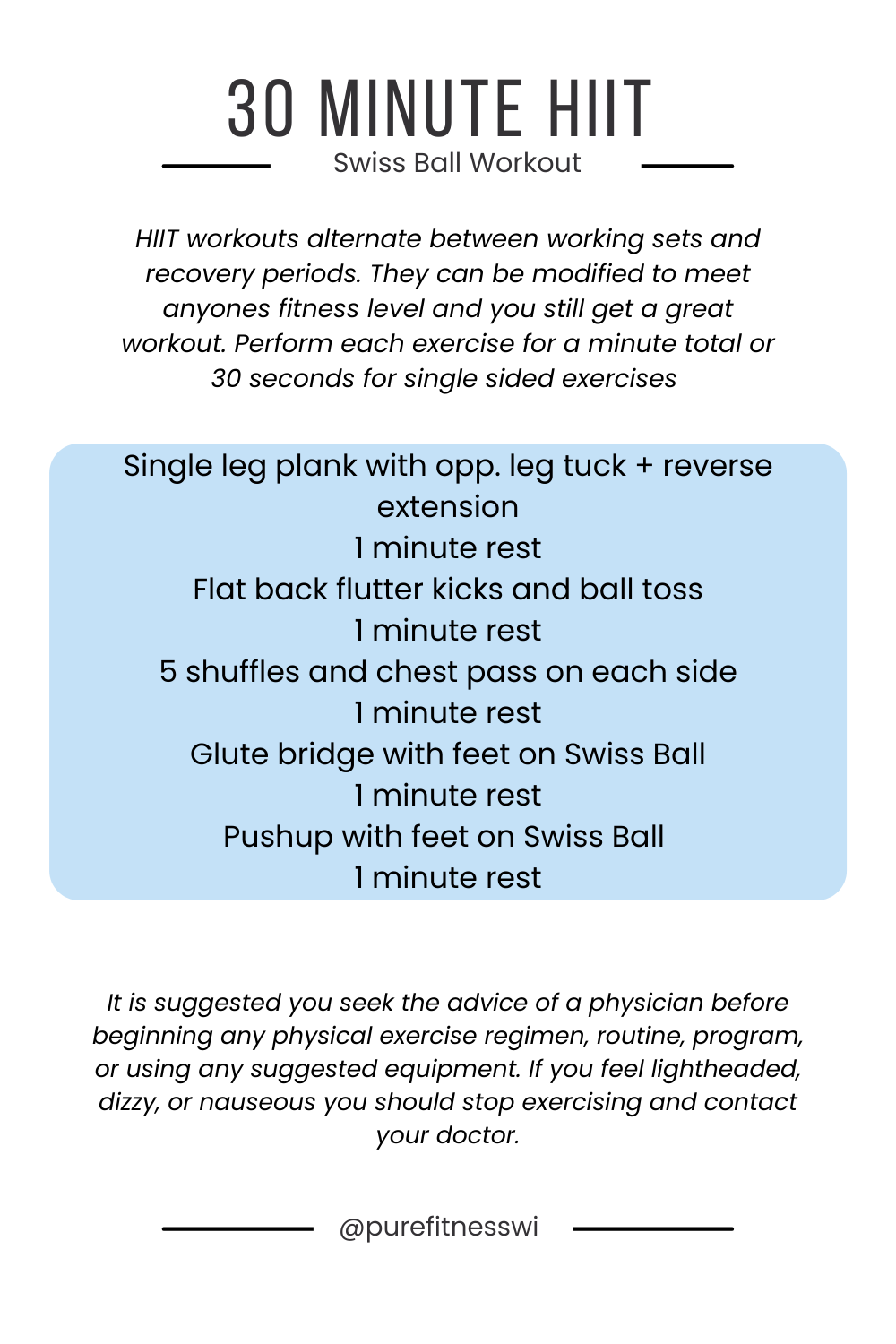
I love to use the SKLZ sliders for high speed and low impact cardio workouts! This makes them perfect to include in HIIT workouts, or high intensity interval training. HIIT workouts are a recent top fitness trend, but most people don’t understand what a HIIT workout really is.

The goal of a HIIT workout is to maximize a person’s aerobic capacity without sacrificing form. HIIT workouts alternate between working sets and recovery periods. They are great because they can be modified to meet anyones fitness level and you still get a great workout, in a short period of time.

Using the SKLZ Sliders with a BOSU is a challenging combination that promises to leave you exhausted in a HIIT workout. Here are a few of my favorite exercises:

  • Mountain Climber Variations
  • Push-up + Plank Complexes
  • Lunge Patterns that use the BOSU as resistance

WHAT IS THE TRX?

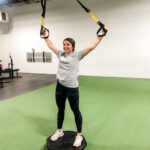
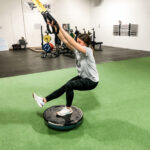
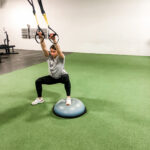
The TRX Is a form of suspension training that uses body weight exercises to develop strength, balance, flexibility and core stability. This means that very little equipment is needed to get a great workout and a TRX is very easy to set up. Your TRX can hang off of anything that will hold your weight and not pull over. There are even TRX door anchors that are super helpful if you live in an apartment or don’t wht to do anything permanent. Read more about training with a TRX here.

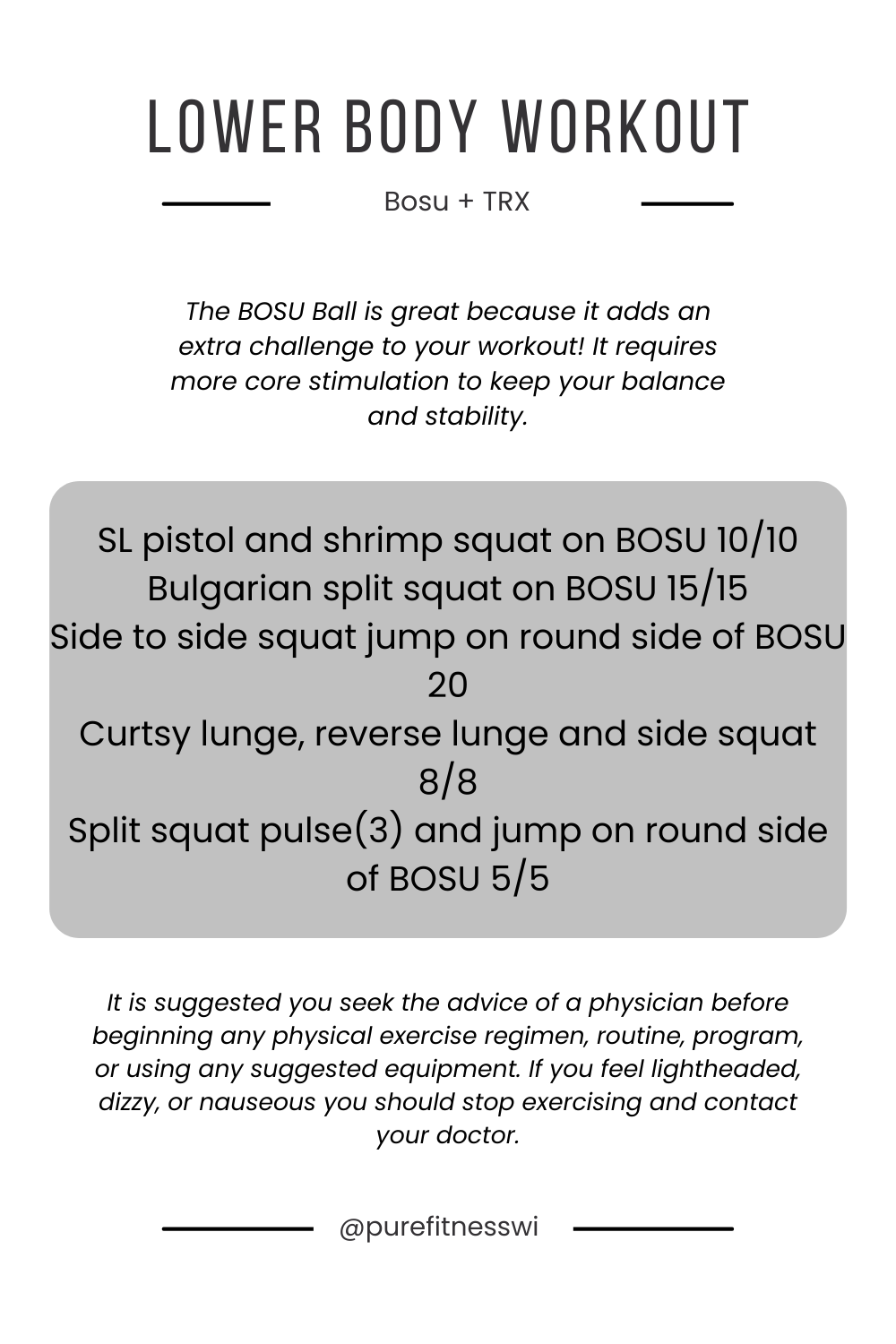
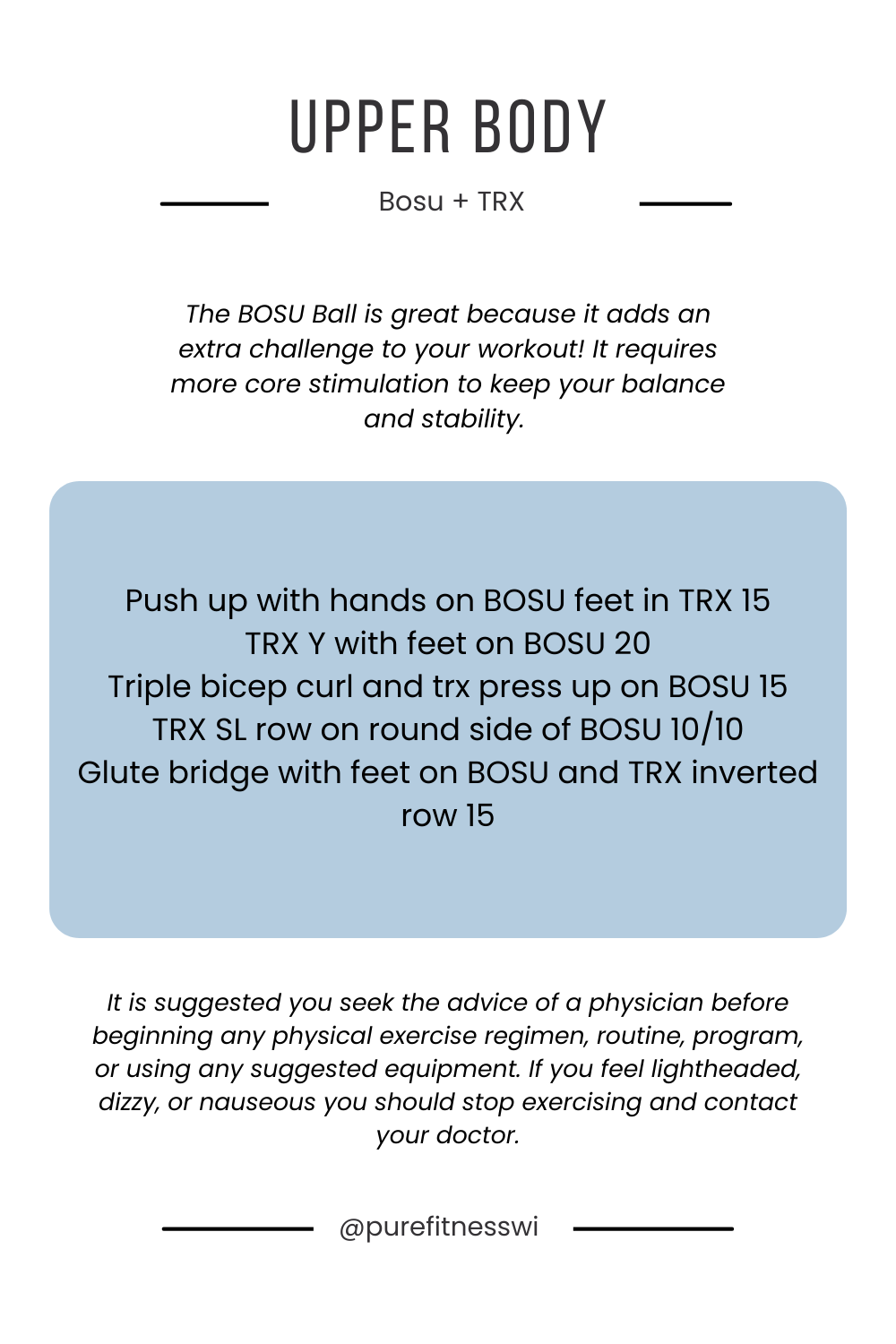
By combining the BOSU and TRX, you are almost always going to get a great full body workout no matter what you do. If you are doing side to side squat jumps on the BOSU, you are working on lower body plyometrics and aerobic capacity. At the same time you are getting slight upper body activation by pulling yourself out of the hole with the TRX. Or if you are doing a pushup on the BOSU with your feet in the TRX you are working posterior shoulder, biceps and triceps. But your core also needs to stabilize your body to keep your back flat and minimize excess movement.

WORKING OUT WITH A TRX AND A BOSU

I love to talk about balance and stability. It is often under appreciated or overlooked in typical programming. This is one of the reasons I love the BOSU. It will challenge your balance and stability helping you to create a stronger body.

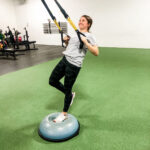
Balance is easy to challenge using the TRX. You can do upper body movements holding on to the TRX handles on a single leg instead of both legs. For example, do single leg inverted rows or do a single leg assisted squat. You can take that a step further and stand on a BOSU ball.

You can also use the TRX on your lower body to create instability. For example, a push-up with your feet in the TRX. Or a Bulgarian split squat with rotation with the elevated foot in the TRX. And again you can advance these exercises by incorporating a BOSU ball.

Between the BOSU Ball and the TRX you are getting a ton of core stimulation. The instability from the BOSU Ball requires full body tension, but most importantly core tension. Your core is just as important in TRX exercises. In a TRX chest press, you need to keep your core engaged to hold the plank position. If you do not engage your core your back will arch causing low back pain and making the chest press more difficult.

Here are a few of my favorite exercises using a TRX and a BOSU ball:

  • Push-up Variations
  • Side Squat Jumps
  • Plank Variations

WHAT IS A MEDICINE BALL?

Medicine balls come in a variety of materials and weight. Some are made to be cushioned and soft, others more reactive and even others compact. When shopping for a medicine ball, take into consideration the weight . I pretty much use a 10 pound med ball for everything. Adjusting the sets and reps to make the exercise easier or more difficult.

Goals and fitness level play a big part in determining the proper weight. I regularly use 6 pound and 15 pound medicine balls with my clients. If you only want one medicine ball at home get one that is between 6-10 pounds. If you have the space, get a vertical rack and fill it up!

There are a few different types of medicine balls. When purchasing a medicine ball be conscious that some are made to bounce back when you do a med ball slam, we will call them hard shell. And others are made to stay on the ground, we will call these soft shell med balls. But that doesn’t mean that you can’t do slams with both kinds. As long as they are well made you can still throw both.

WORKING OUT WITH A MEDICINE BALL AND BOSU BALL

Medicine balls are really great because they can be used for so many different things. From a programming perspective they are great for training stability and power. Balance drills can become more advanced by adding a medicine ball.

For example a single arm shoulder press with a medicine ball will require more stability than with a dumbbell. Or you can hold a medicine ball between your knees to activate your adductors. You can also throw the med ball at the wall or ground to make an upper body plyometric drill.

And remember to use proper form when picking up the med ball form the ground. Core engaged, butt down, back flat. Not using proper form when picking up a medicine ball has to be the most common mistake I see.

Here are a few of my favorite exercises using a medicine ball and BOSU ball:

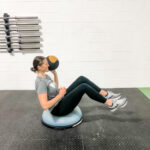
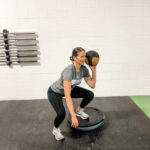
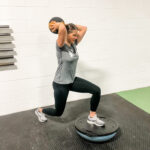
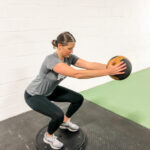
  • BOSU Side Squat to Single Arm Press
  • BOSU Glute Bridge with Medicine Ball Hold
  • BOSU Reverse Lunge with Rotation

WORKOUTS

There are many workouts for you to download and save. Scroll through them all to find which ones you want to try. 
EQUIPMENT

These are affiliate links. While there is no cost to you when you order through them, I do make a commission. Your support, by ordering through them, is greatly appreciated!

You can find many of these pieces of equipment all over the place. But if you want to support Pure Fitness you can order through the links below on Amazon.

Now for some items you will want to use with your TRX. A high quality exercise mat. My favorite brand is Manduka because it has lasted years, I don’t slip and it is easy to clean. I linked the one I use here.

If you have a space dedicated to a home gym I would get the TRX wall anchor. This way you don’t have to worry about moving your TRX in and out of a doorway every time you want to start and end your workout.

Grinder Salad Recipe

Grinder Salad Recipe

I think this recipe exploded the internet last summer and since then my girl friend and I have been tweaking and perfecting the recipe that we now consider the source of truth for all Grinder Salad to come.. Some of it might be the exact ingredients or maybe it is the...

read more
How Personal Trainers Can Achieve Financial Independence

How Personal Trainers Can Achieve Financial Independence

Achieving financial independence as a personal trainer isn’t just about working harder—it’s about working smarter. A well-structured business model can be the difference between financial instability and consistent income growth. In this blog, we’ll explore how to...

read more
5 Hacks to Grow Your Fitness Business

5 Hacks to Grow Your Fitness Business

For personal trainers, time is often the most valuable yet limited resource. Balancing client sessions, marketing tasks, and business growth can feel overwhelming, leaving little room to focus on growing your reputation and scaling your business. The good news? With...

read more
fitness articles
lifestyle articles
nutrition articles
golf articles

SUBSCRIBE

Click to sign-up for weekly information and offers.

DISCLOSURE

We are a participant in the Amazon Services LLC Associates Program, an affiliate advertising program designed to provide a means for us to earn fees by linking to Amazon.com and affiliated sites.

15 Top Workout Playlists on Apple Music Right Now And the Best Workouts to Pair with Them

15 Top Workout Playlists on Apple Music Right Now And the Best Workouts to Pair with Them

If you are anything like me, music is the fuel that powers your workout and changes your mood. The playlist you put on can either make or break how you workout. That’s why I am sharing 15 top workout playlists on Apple Music right now and the best workouts to pair with them.

Pairing your workout with the right playlist can give you that extra boost you need to finish it strong. I mean … your post-breakup playlist might not be ideal for your HIIT workout.

Don’t just take my word for it. There is actual science behind how music can help your brain to make your workout better. Tapping into the potential music has can change the way you attack your workout, but it is difficult to know where to start. 

Let me make it a bit easier on you.

TOP POP WORKOUT PLAYLISTS ON APPLE MUSIC AND THE BEST WORKOUTS

I have hand-picked these 15 top workout playlists on Apple Music AND the best workouts that you can pair them with to get started. Each one is selected to get the most out of not only your playlist selection, but the workout itself. 

From pop, rock, hip-hop and more, there is something for everyone in these playlists. Not only that, but there is something for everyone in the workout as well. Find your perfect workout and playlist match! 

#1: Pop Workout

apple music workout playlistI love this one because it doesn’t just have all the hits of today. They put some throwbacks in there and add some remixes in. This playlist keeps a great beat and helps you keep tempo for a faster paced workout. 

I picked this workout to pair because this playlist has a great tempo to run to. It can help you keep moving because there is rarely a lull in the beats. This allows you to smoothly hop from the treadmill to the hamstring work on the floor. 

Favorite Song: “There’s Nothing Holding Me Back (NOTD Remix)” -Shawn Mendes


#2  Home Workout

apple music workout playlistI am obsessed with this playlist! Such a great mix of songs. Although it is a pop playlist, it doesn’t have the same steady beat like the last one. It just has a mix of great songs that will make you say “I love this song!”. This is a great playlist to listen to with friends as you workout, it doesn’t just have to be at home!

I paired it with this my go-to workout, because quite honestly this might become my new go-to playlist. They both have the same vibe to me. Familiar, but still challenging and holds your interest. 

Favorite Song: “Beggin” -Maneskin


#3 Pure Motivation

apple music workout playlistThis is a great “hits” playlist. It features a lot of top songs, but it also reaches back into the past. Honestly I heard a bunch of my personal favorites on there which is why it made my top 5 for the Pop section. If you like songs that are a bit more off the beaten path this playlist is not for you. 

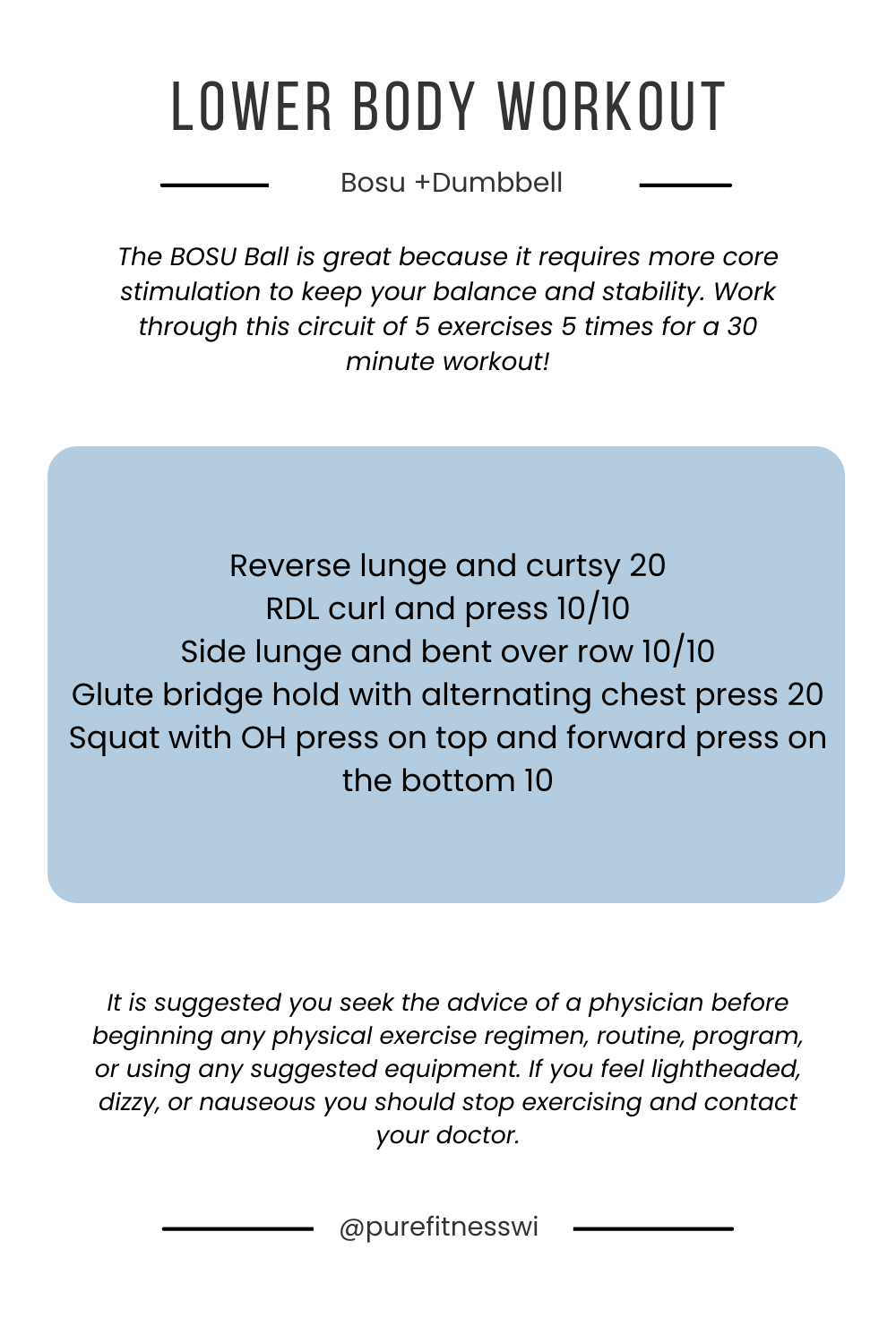
This one would pair well with just about any great workout. I chose this workout because both the workout and the playlist are full of good vibes! A glutes and triceps workout with this playlist will leave you smiling and a bit sore!

Favorite Song: “Astronaut in the Ocean” -Masked Wolf


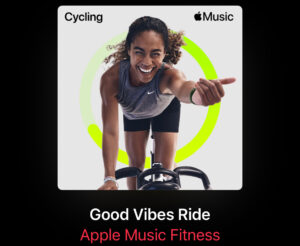
#4 Good Vibes Ride

apple music workout playlist

This playlist doesn’t have to just be for cycling, even though it is a great set of songs that has a couple of ups and downs. Perfect for a more low-key workout that focuses on feeling the right muscles and full range of motion in movements. Just like the title says, these pop songs are nothing but good vibes and smiles!

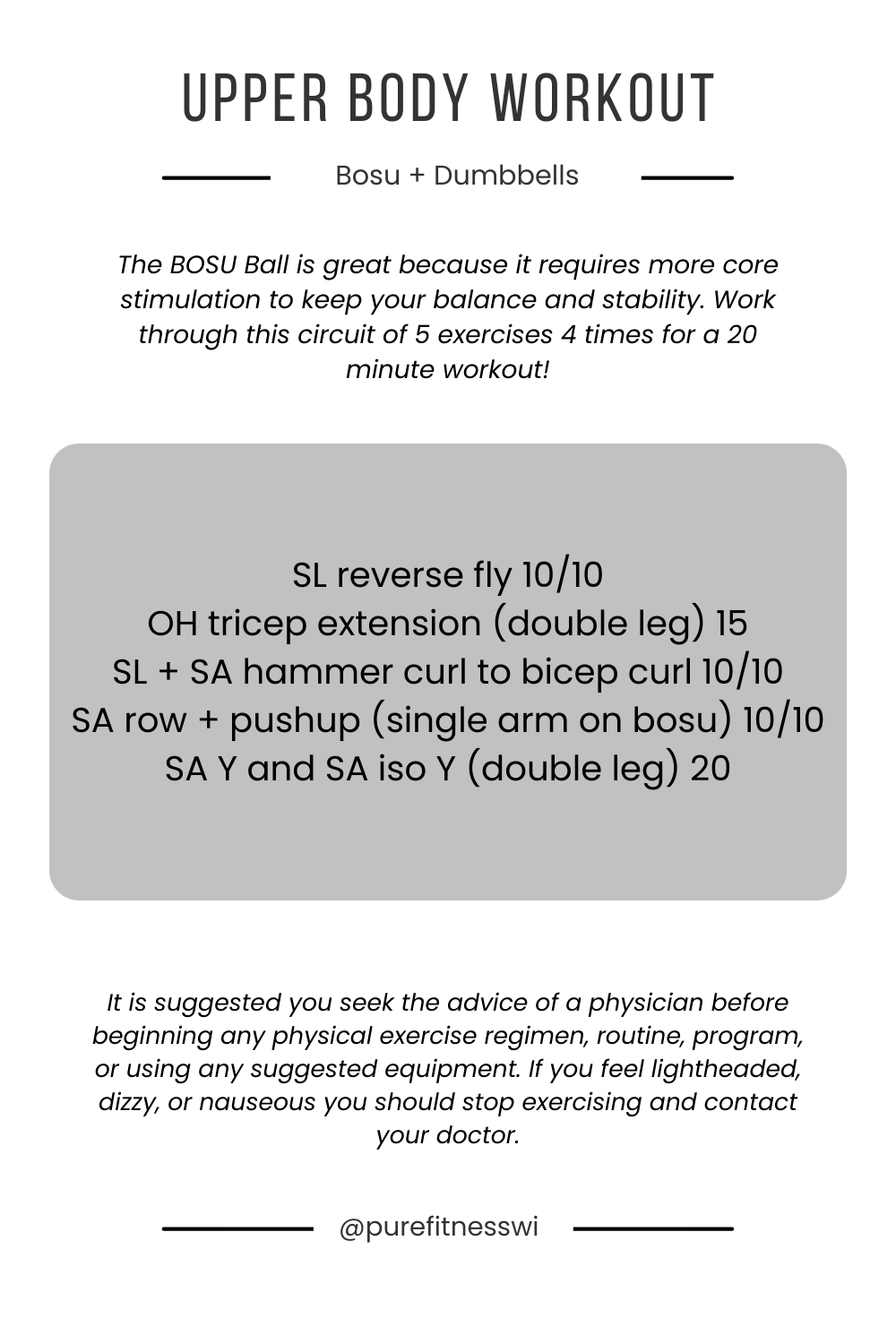
Like I said, this playlist is all about feeling good and feeling your movements. That’s why pairing it with a workout that focuses on stability on the Bosu Ball works great. You can let the happy vibes of this pop playlist be just background music as you hoan in on your muscle activation. All you need is a Bosu Ball and some dumbbells! 

Favorite Song: “Stay” – The Kid LAROI & Justin Bieber


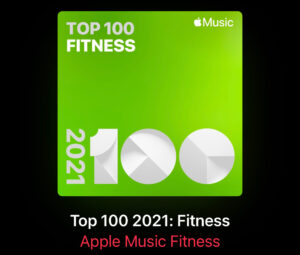
#5 Top 100 2021: Fitness

apple music workout playlistIf you are a fan of today’s latest and greatest hits, this one is for you! A mix of both pop upbeat mixes and some of today’s hip hop hits, this one will be like working out to the songs on the radio without the commercials. It is such a great one to have on that will make you popular with all your workout buddies. 

I chose this workout to pair with it because it is one you can do with a couple of friends and have this playlist blaring in the background. Th 

Favorite Song: “Kings & Queens (MOTI Remix)” – Ava Max


TOP ROCK WORKOUT PLAYLISTS ON APPLE MUSIC AND THE BEST WORKOUTS


#6 WEEKEND WARRIORS

apple music workout playlistFor those of you that are into those songs that only can be played at full volume this playlist is for you. A collection of hard rock that is sure to keep your heart rate up even when the workout doesn’t. This genre of music is perfect for lifting the heaviest of weights. Max out day here we come! 

These exercises put together for a workout will help increase your back squat. Pair it with a rockin’ workout like this and you can set yourself to PR next workout!

Favorite Song: “Smooth Criminal” -Alien Ant Farm


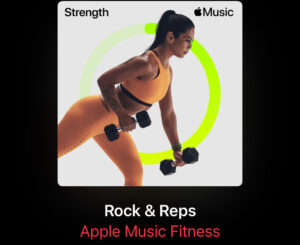
#7 ROCK & REPS

apple music workout playlistA mix of hard and alternative rock, this playlist ranges from 70s to today’s music. This playlist will leave you on your toes and wondering what song will come next. This is not your typical workout playlist, but in the best way possible!

I paired this with a workout that you can do anywhere with a couple of weights and the right mindset. If you are anything like me, workouts from home can be a challenge to keep going mentally. The best cure for that is a great playlist! Use this Rock & Reps to keep going when those reps get tough. 

Favorite Song: “Mr. Brightside” -The Killers


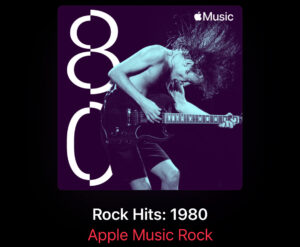
#8 ROCK HITS 1980s

apple music workout playlistWhat is more classic than some 80s rock? That electric guitar can power you through any tough workout. 

Try these high intensity interval training (HIIT) workouts to pair with your 80s hits! With beginner, intermediate and advanced versions, you can tailor them to your fitness level. And the rhythm of these songs will fuel your fast paced movements helping you break a sweat and crush your workout.

Favorite Song: “Back in Black” -ACDC


TOP HIP HOP WORKOUT PLAYLISTS ON APPLE MUSIC AND THE BEST WORKOUTS


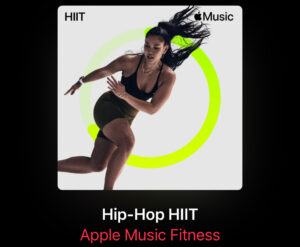
#9 HIP HOP HIIT

apple music workout playlistI have been a HUGE fan of this one for my workouts lately. It has all the great qualities in a good playlist. Keeps a great beat, hard-hitting and pushes you when you need it the most. I may not be a fan of all of the lyrics used, but setting your app to play clean versions helps! Regardless, the hip-hop beats will give you that extra jerk forward to crush your workout.

A playlist that hits as hard as this one pairs perfectly with a workout that hits your legs hard. That’s why I chose this leg-crushing interval workout. Although this workout was done with a partner, the intensity doesn’t leave much room for chatting. This playlist will fill the silence with some great beats to finish your workout strong! 

Favorite Song: “Whoopty” -CJ


#10 WEEKEND WORTHY

apple music workout playlistYou know that feeling when you leave work on a Friday and are ready to go hang out with friends? This playlist just embodies that feeling. And there is nothing better than channeling that energy in your workout! This playlist has nothing but the latest hip hop hits that will guarantee to hype your workout up. 

A workout that is as tough as an AMRAP (as many rounds as possible) requires a playlist that keeps energy up the whole time. AMRAPs are usually done in a time crunch and keep high intensity. That’s why I paired it with a high intensity playlist. These two just pair perfectly together.

Favorite Song: “What’s Next” -Drake


#11 #GYMFLOW

Playlist: https://music.apple.com/us/playlist/gymflow/pl.ae7c5093e09e49bcb60ec2a1fa2eec24

The name doesn’t lie here. Want to get into a flow state in the gym? This playlist will do just that. If rap is your thing, this playlist will have everything you need to want to get into the gym now. Chalk-full of songs that fuel your adrenaline and bring intensity. 

This lower body interval workout is just as intense as this playlist. Not for the faint of heart. All you need to do for this workout is get in the gym, pop your headphones in and crank the volume to 100. 

Favorite Song: “Hot (feat. Gunna)” -Young Thug


TOP COUNTRY WORKOUT PLAYLISTS ON APPLE MUSIC AND THE BEST WORKOUTS

So maybe you’re not into the pop playlists and rock and rap go a bit too hard for you. I love a good country mix! But just because you like country doesn’t mean you don’t like a good sweat. Check out these great country playlists that give you backwoods vibes in the gym.


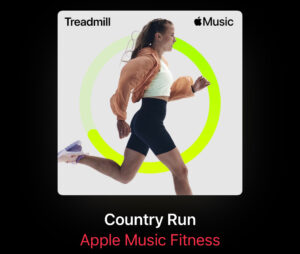
#12 COUNTRY RUN

apple music workout playlistFull of today’s great country hits, this playlist can not just fuel your run but can be a great addition to any workout. 

I chose this workout because I really feel like they are on the same wavelength. Both fill can be enjoyed with friends and fill you with endorphins! What could be better than this combo?

Favorite Song: “Drunk (And I Don’t Want to Go Home)” -Elle King & Miranda Lambert


#13 COUNTRY CAFFEINE

apple music workout playlistThe last playlist might have been a little bit slow for you. Let’s add a dash of what gives all of us a bit more energy, caffeine! This country playlist just adds a little bit of pep in your boot-walking step. 

Try out this 30 minute total body workout with this playlist! The workout is challenging but doesn’t require someone yelling in your ear in a song. You can get where you need to go mentally and physically with a bit of country caffeine!

Favorite Song: “Almost Maybes” -Jordan Davis


TOP CHILL WORKOUT PLAYLISTS ON APPLE MUSIC AND THE BEST WORKOUTS

Not every workout is run at full speed, lift the heaviest weight or push to the point of exhaustion. For those days when you need to get moving or you have a pilates or yoga workout, chill playlists might be more on your vibe. Check out these playlists that keep it mellow.


#14 TODAY’S EASY HITS

apple music workout playlistI am a sucker for some chill songs. I love good lyrics paired with a soothing melody. This playlist has just that. Don’t let it fool you, it still brings some great music that is on today’s top hits. Perfect for the days when your workout is focused on the movements. 

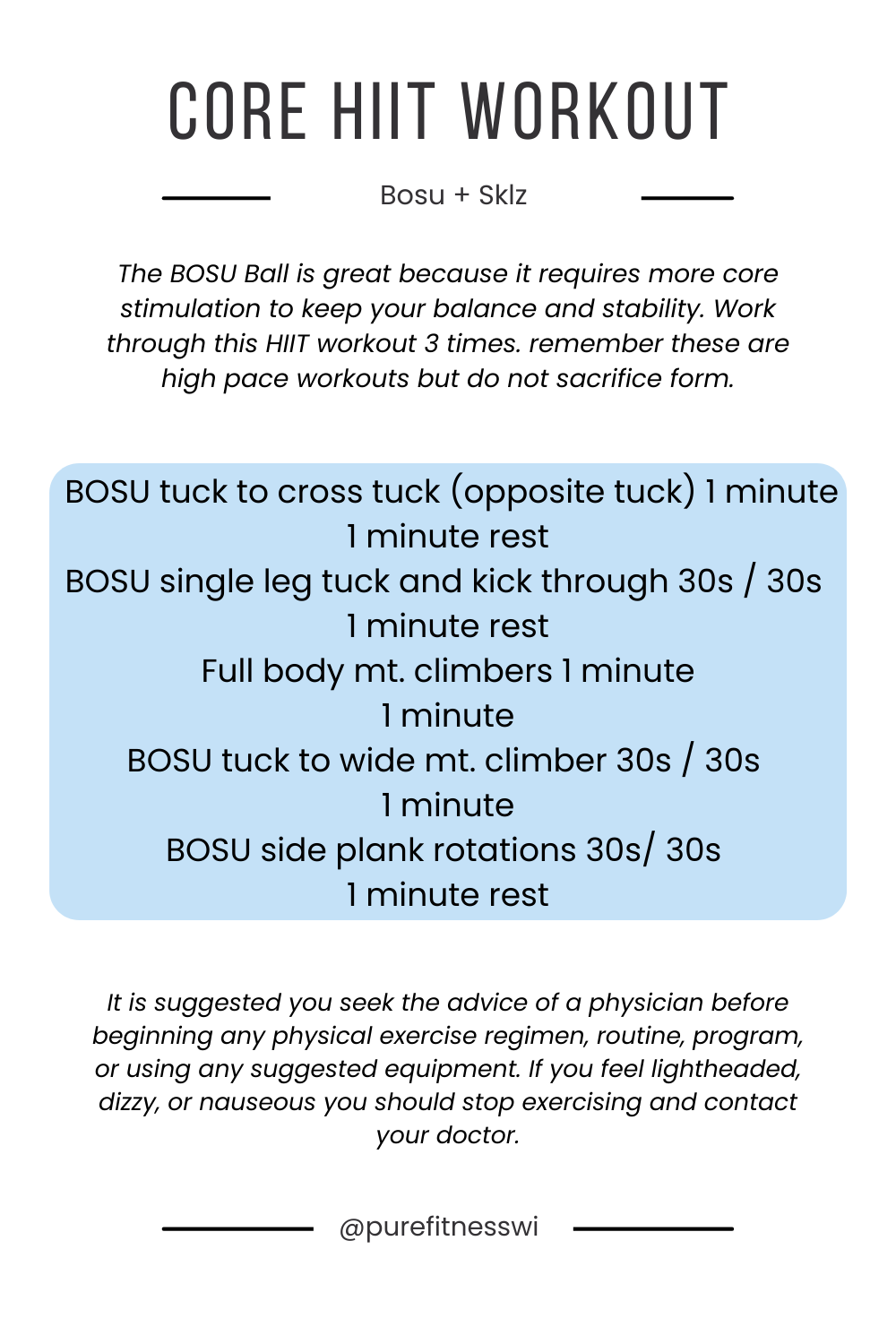
My mind immediately went to this core and mobility workout when I thought of this playlist. The workout is all about doing full range of motion on your movements and feeling your core. Feel the music, feel your core and get moving! 


#15 EASY HITS

apple music workout playlistIf your music taste ranges beyond the 2020s, this playlist keeps it mellow but brings in some throwbacks. From Earth, Wind & Fire to Adele to Aretha Franklin, there is something for everyone here. Throwing this one on shuffle will keeping you guessing as to who you will hear next, but always will bring the good vibes. 

I paired this playlist with a pilates-inspired workout that will leave you feeling strong, yet still flexible. With focuses on core and hip mobility, this 30 minute workout is a great way to get moving all from the comfort of your yoga mat. 


FIND YOUR SOUND

Whether you are into hard core rock or soft indie, Apple Music has playlists for you and whatever movement you are tackling today. These 15 playlists can fuel your workout to take it to new heights. Try these other tips for using the power of music to change your exercise routine. 

Annie


Grinder Salad Recipe

Grinder Salad Recipe

I think this recipe exploded the internet last summer and since then my girl friend and I have been tweaking and perfecting the recipe that we now consider the source of truth for all Grinder Salad to come.. Some of it might be the exact ingredients or maybe it is the...

read more
How Personal Trainers Can Achieve Financial Independence

How Personal Trainers Can Achieve Financial Independence

Achieving financial independence as a personal trainer isn’t just about working harder—it’s about working smarter. A well-structured business model can be the difference between financial instability and consistent income growth. In this blog, we’ll explore how to...

read more
5 Hacks to Grow Your Fitness Business

5 Hacks to Grow Your Fitness Business

For personal trainers, time is often the most valuable yet limited resource. Balancing client sessions, marketing tasks, and business growth can feel overwhelming, leaving little room to focus on growing your reputation and scaling your business. The good news? With...
read more
fitness articles
lifestyle articles
nutrition articles
golf articles

SUBSCRIBE

Click to sign-up for weekly information and offers.

DISCLOSURE

We are a participant in the Amazon Services LLC Associates Program, an affiliate advertising program designed to provide a means for us to earn fees by linking to Amazon.com and affiliated sites.

5 Ways Music Can Impact Your Workouts

5 Ways Music Can Impact Your Workouts

Whether or not you realize it or even like it, music can impact your workouts by responses beyond your control. Believe it or not, these impacts are way more real than you think. So the big question is, how can we manipulate this to get the most out of our workouts?

Here are 5 ways music can impact your workouts

Oh, and if you want a free workout that is timed to a playlist so you can embrace the music, then subscribe to our newsletter.

music and workouts from a personal trainer


1. INSPIRE

I am one of these people that will spend 5 minutes making sure I have the right song for a 2 minute drive down the road. My workouts are no exception. 

I have different playlists curated and genres that work best for me when it comes to powering through that last leg. It never fails to amaze me the impact the music playing has on my workout.

But maybe you’re not like this. Maybe you’re someone who could not care less what song is playing. Maybe you even like to workout in silence. I have a lot of questions for you, starting with why.

Like we have talked about in our enneagram type and exercise, everyone has unique preferences. It is important to know yourself before you create goals. If you don’t know where you are now, you cannot form these goals or the steps to get there. 

Same thing with your music taste! You cannot use it to your benefit if you do not know what you prefer. If you are in this boat, do some exploring and enjoy the process. Try various playlist styles while you discover your music preference. And read more about developing playlists and using music in your workouts by reading The Power That Music Has On Your Workout and How To Use It.

Once you find the right music you will see how music can impact your workouts. It can help to create consistency in your training. You can lean on it when you are tired or not “feeling” the workout. And it can serve as positive reinforcement to help you stay disciplined.


2. FLOW STATE

Have you heard of the term flow in sports psychology? This was a term I not only had in my classes in college but experienced first-hand as a collegiate volleyball player.

This is the psychological state of mind in which all our outside awareness of self diminishes and our sole focus is on the task at hand. There is a sense of mastery in this state. We feel more than equipped to take on the task at hand.

So what on earth does this have to do how music can impact your workouts!? Bear with me.

I am sure you have felt this in your workouts at some point or another. You are in the zone. Where the reps feel good. The weight is challenging, but not impossible. Nothing can distract you. And you feel like nothing can stop you. 

That is it. Flow. 

And most of the time music is contributing to us reaching the flow state. Because music elicits such a strong physical, mental and emotional response. I shared how the body responds to music in How Music Can Help Your Workout By Impacting Your Brain. I highly recommend you check it out to get a more in-depth understanding of the relationship of music and exercise.

While music is not the sole reason for us being able to get into a flow state, it can be a huge contributing factor. After all, reaching the flow state is a result of the alignment of many variables. Music is a variable you can manipulate to reach your workout goals. 

personal trainers mequon wisconsin


3. BUILD A ROUTINE

We talk a lot about habits outside your workout routine. Your sleep schedule, journaling, water intake, etc. What about the impact of your habits as you get into your workout? 

I know if I go into the gym on a rainy day where I have softer music playing and my hood over my eyes I am likely to have a less effective workout. Now this is not to say this cannot be turned around, however you want to set yourself up for success. Listen to something that you know will excite you.

This does not mean you have to listen to the same song everyday. It means that building a routine that includes pre-workout habits designed to increase your individual workout success will increase your overall consistency and success. Music is a pre-workout habit.

Use music to build a routine. Starting before the workout and continuing after. As I mentioned, using music to focus before a workout can be helpful. But music can also impact your workouts after when you take time to reflect. And reflecting can help to build positive momentum for the next workout.

A little tangent here…

Is what you are consuming between your ears helping you reach your goals? Seriously. We know music is insanely powerful. That means anything we are listening to can hold a similar power from TV to Podcasts to friends. You choose what you listen to, so make a choice that supports your goals.


4. REINFORCE SELF-BELIEF

Now let’s be honest here, have you ever found someone with the exact same music taste as you? Likely not. If you have, please never let that friend go. 

Reality is we all have a unique soundtrack that clicks with our brain. This is not just what we like hearing, but can also be attributed to what we listened to growing up. Hence why the memory aspect of music is so powerful. 

Not only is it preference, but the words behind the music. Have you ever had a song lyric give you chills? Or have it stuck in your head and put you into deeper thought? 

Like when you’re on a plane, look out the window and listen to “Rivers and Roads” by the Head & the Heart. Chills. Try it out next time, it will make you get all the feels. 

Now take that into account for your workout. Think about where you are trying to get your mind to go. Pick music that will help you get there or as I said above listen to music that supports your goals.

There is another psychological term that comes to mind here, self-fulfilling prophecy. Now many of you have probably heard or used that phrase, but this is not a euphemism. We are inclined to believe what we tell ourselves, for our own good. 

Like a placebo we feed our minds. 


SONGS THAT FUEL MY WORKOUTS

So maybe when you pick a song for your workout, you find songs that give you a prophecy to fulfill. Something like: “I have been fighting for this dream in my soul, and I won’t let it go” from the song “Higher” by The Score.

Or you hear these lyrics, “I’m free to be the greatest here tonight” from The Greatest (feat. Kendrick Lamar)” by Sia, on the last set of your squats. You think about your “why”. 

The reason you are working so hard, why you even started working out in the first place and the importance of your fitness goals. Suddenly that last set doesn’t seem so bad because you won’t let go of your goals. 

“Confident” by Demi Lovato is one of my favorite songs to do cardio to. I mean the lyrics literally state “I got stamina”. But besides the point. 

This simple lyric, “You have had me underrated. What’s wrong with being confident?”, gives you the permission to go for it in your workout. To reach your full potential no matter what obstacles are in your way. If you let yourself absorb that lyric and allow yourself to believe it, it may just change your workout. 

You can also subscribe to our newsletter and get a workout that is timed completely to the music. Click here to subscribe and get your free workout.

Time for another tangent…

I think people aren’t talking enough about how tough it is to walk into a gym with confidence. Intimidated by people who basically live there, it can be tough to find your place. What you tell yourself is a huge part of your comfort, confidence and success. Lyrics can feed the confidence in you so you can feel ready to take on your workout.  I have more tips for overcoming this anxiety in my go-to workout and tips for the gym article. 


5. THE EXTRA 1%

When you are consuming music it is more than just hearing. You are actually stimulating our frontal lobe. This is an area that is much bigger than animals’ brains and is responsible for decision-making and planning. 

When you put music on that influences your belief that you are capable of doing difficult things, you are using that to impact your next decision. Music could give you the strength you need to get that extra 1% out of yourself and into your workouts. 

Do you know what I’m talking about? It is that last little bit of effort that we tend to hold on to at the end of workout. And it is often a difference maker – mentally, physically and emotionally.

The energy and lyrics from music can get you to push into that 1% and truly leave it all on the gym floor.

And for those of you wondering why you would want to do that … well, try it. See what you are capable of. Feel what that does for your confidence.


START USING THE 5 WAYS MUSIC CAN IMPACT YOUR WORKOUTS

Now it is your job to put this to use. When you are working out and you hit that point where you are just staring at the weight. Hoping it lifts itself. Turn on a song (try one of the ones above) with inspirational lyrics. 

Imagine that it’s not Demi Lovato or Sia singing. But it is you. Telling yourself you are capable of doing this next thing. It may seem cliche or just plain stupid. But I promise you, the more you can train your brain to keep going, the easier it will be to train your body. 


Grinder Salad Recipe

Grinder Salad Recipe

I think this recipe exploded the internet last summer and since then my girl friend and I have been tweaking and perfecting the recipe that we now consider the source of truth for all Grinder Salad to come.. Some of it might be the exact ingredients or maybe it is the...

read more
How Personal Trainers Can Achieve Financial Independence

How Personal Trainers Can Achieve Financial Independence

Achieving financial independence as a personal trainer isn’t just about working harder—it’s about working smarter. A well-structured business model can be the difference between financial instability and consistent income growth. In this blog, we’ll explore how to...

read more
5 Hacks to Grow Your Fitness Business

5 Hacks to Grow Your Fitness Business

For personal trainers, time is often the most valuable yet limited resource. Balancing client sessions, marketing tasks, and business growth can feel overwhelming, leaving little room to focus on growing your reputation and scaling your business. The good news? With...
read more

SUBSCRIBE

Click to sign-up for weekly information and offers.
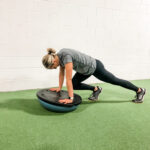
DISCLOSURE

We are a participant in the Amazon Services LLC Associates Program, an affiliate advertising program designed to provide a means for us to earn fees by linking to Amazon.com and affiliated sites.